Best Time To See Glow Worms In The Blue Mountains
Glow worms are present in the Blue Mountains all year, so the best time is less about the calendar and more about crowds, weather and darkness. Here is what the official advice, the climate data and the operators actually say.
Short answer
Glow worms are present year round in the Blue Mountains, so there is no closed season. NSW National Parks suggests visiting during the week or in spring or autumn to avoid crowds and limited parking. Operators and travel press say displays often look stronger in warm, wet months and after rain, but that is opinion, not an official ranking.
Glow worms do not migrate, hibernate or take a season off. The larvae of a small fungus gnat, they sit in dark, damp shelters such as caves, overhangs and abandoned tunnels, glowing to lure prey into sticky silk snares, and they do it every month of the year. That single fact changes the question. Instead of asking when glow worms exist, the honest question is when conditions give you the best chance of a good viewing: fewer crowds, workable weather, enough darkness and a colony that has not been disturbed. This guide pulls together the official National Parks advice, the Bureau of Meteorology climate averages for Katoomba, and what operators and travel press claim, clearly labelled as opinion where no official data exists.
When Is The Best Time To See Glow Worms?
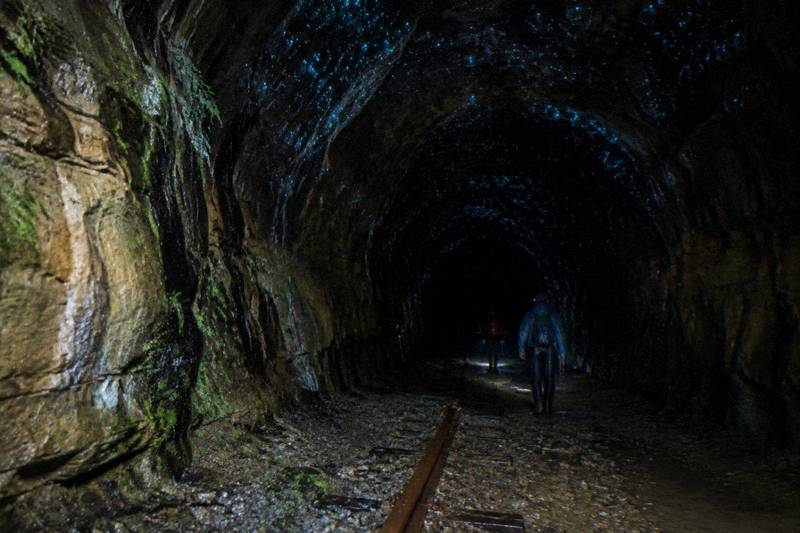
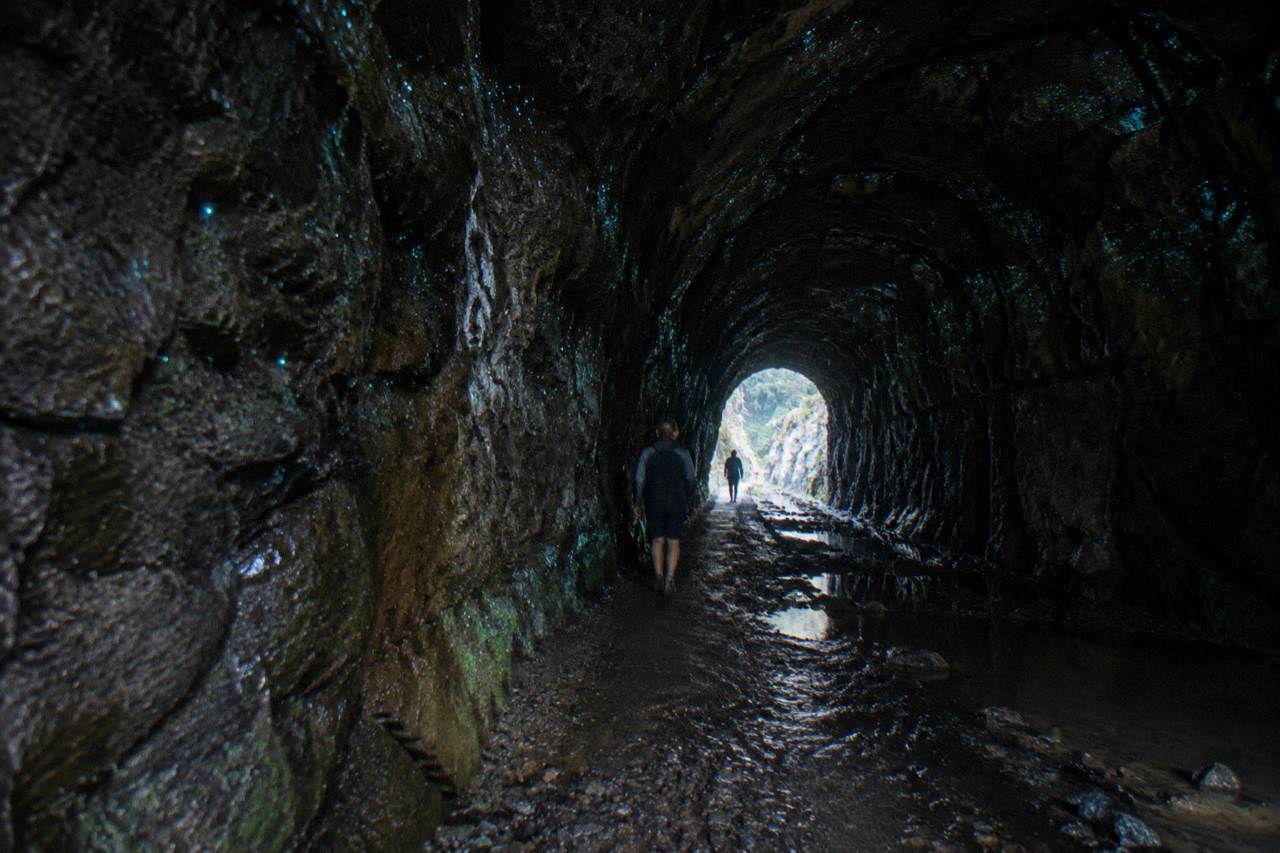
The best time to see glow worms in the Blue Mountains is any time of year, with the timing of your visit mattering more than the month. NSW National Parks suggests weekdays and spring or autumn for the Glow Worm Tunnel, when crowds and parking pressure are lower. Glow worms are present year round, and the tunnel is dark enough for daytime viewing. If you're weighing which month suits your trip best, our season-by-season glow worm timing guide covers how crowds, weather and road access shift through the year.
That advice, published on the NSW National Parks and Wildlife Service track page for the Glow Worm Tunnel, is the only official seasonal guidance that exists for this region. It is a crowd-management recommendation, not a brightness forecast. The park service says the tunnel "can be very busy and there's limited parking during summer, weekends, and holiday periods", so the spring or autumn suggestion is really about sharing the space with fewer people, which also happens to be better for the glow worms themselves: they switch their lights off when disturbed, and a stream of visitors with torches and voices is exactly that.
The other half of the answer is the moon. Glow worm light is a faint blue-green bioluminescence, and on a bright moonlit night the ambient light competes with it. Operators in the region consistently say the best displays come on dark, still, humid nights, and the darkest nights cluster around the new moon. None of that is official policy, but the physics is straightforward: less competing light means a more visible glow. For more on the insect behind the light, see the guide to what these larvae actually are.
The distinction between official advice and operator opinion matters enough to keep the two apart in one place, because most articles you will read blend them without saying so. The table below separates what a government source states from what tour businesses claim, so you can weigh each on its own terms.
| Claim | Source type | Status |
|---|---|---|
| Glow worms are present year round | NSW National Parks | Official |
| Visit during the week or in spring or autumn | NSW National Parks | Official |
| The tunnel is dark enough for daytime viewing | NSW National Parks | Official |
| Displays often stronger in warm, wet months | Operators and travel press | Opinion |
| Rain boosts how many larvae glow | Operators and travel press | Opinion |
| Moonlight reduces visible glow | Operators and travel press | Opinion |
What Time Of Year Do Glow Worms Glow Brightest?
No official source ranks the months by glow worm brightness, so any "best month" list you read is opinion. What is verified: glow worms are present year round, and the 387 metre Glow Worm Tunnel is dark enough inside for daytime viewing. Operators and travel press say displays often look stronger in warm, wet months and after rain.
That last claim deserves its label. Operators and travel press, including Time Out's coverage of the tunnel, say displays are often strongest in the warmer, wetter months, roughly December to March, and that rain can increase how many larvae are glowing and how brightly. It is plausible biology: the larvae and their prey both depend on moist conditions, and the humidity glow worms prefer tracks rainfall. But NSW National Parks publishes no monthly brightness data.
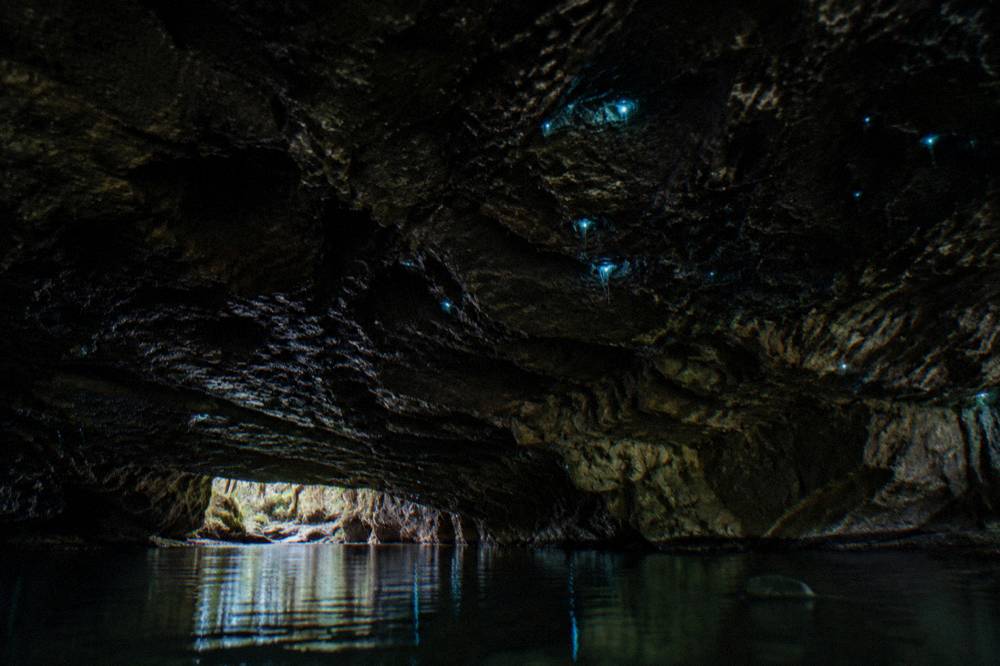
What the official record does support is resilience. The National Parks story on the tunnel describes "hundreds of blue-green tail lights" as a year-round spectacle. Winter visits remain viable and are often quieter, with fewer people on the approach road and in the tunnel itself. The trade-off is cold: Katoomba's mean minimum in July is 2.6 degrees, and the unsealed access road is 4WD-only when wet.
Each season carries its own combination of comfort, crowds and viewing conditions, and no single one wins on all three. The comparison below is drawn from the official advice and the Katoomba climate data in the next section, with the operator opinion clearly marked where it appears.
| Season | Crowds at the tunnel | Typical conditions | Notes for viewing |
|---|---|---|---|
| Summer (Dec to Feb) | Very busy, limited parking | Warmest nights, heaviest rain | Operator opinion favours these months; fire ban in effect |
| Autumn (Mar to May) | Quieter, NPWS-recommended | Mild, rainfall easing | Long dark evenings return after daylight saving |
| Winter (Jun to Aug) | Quietest | Cold, driest months | Fewer people; pack for near-freezing nights |
| Spring (Sep to Nov) | Quieter, NPWS-recommended | Warming, rainfall building | Wildflowers and mild walking weather |
If a guided night out suits your plans better than a self-drive, the bookable option is the Glow Worm Cave night hike from Sydney, which runs year round and is cancelled only for bad weather or unsold minimum numbers. Check availability
Monthly Weather At Katoomba: Temperature And Rainfall
Katoomba, at 1,017 metres, is markedly cooler than Sydney: mean minimums range from 13.0 degrees in February to 2.6 in July, and mean rainfall peaks in February at 177.8 mm. These Bureau of Meteorology averages shape both your comfort and, in the opinion of operators, the quality of glow worm displays.
The table below is drawn from the Bureau of Meteorology's climate statistics for the Katoomba (Farnells Rd) station, site number 063039, at an elevation of 1,017 metres. The Blue Mountains is a genuine plateau climate, not a Sydney suburb with a view: winter nights fall below three degrees on average, and summer brings both the warmest nights and the heaviest rain. Plan clothing for the temperature column and expectations for the rainfall column. That plateau chill also shapes your timing, since a day trip from Sydney to Katoomba works well by road or train but leaves glow worm viewing as a separate evening plan.
| Month | Mean minimum (C) | Mean rainfall (mm) |
|---|---|---|
| January | 12.9 | 164.9 |
| February | 13.0 | 177.8 |
| March | 11.6 | 174.6 |
| April | 8.8 | 121.9 |
| May | 6.1 | 100.3 |
| June | 3.7 | 116.0 |
| July | 2.6 | 84.9 |
| August | 3.3 | 79.3 |
| September | 5.5 | 70.7 |
| October | 7.8 | 91.5 |
| November | 9.9 | 110.3 |
| December | 11.8 | 120.4 |
Read the two columns together. February and March combine the warmest nights with the heaviest rain, which is why operators favour them in their seasonal talk. July and August are the coldest months, with rainfall dropping to 79.3 mm in August, the driest of the year, so a winter visit trades a possibly dimmer display for clearer tracks and thinner crowds. Rain itself is a double-edged thing: it suits the glow worms, but the unsealed Glowworm Tunnel Road is 4WD-only when wet, and the tunnel-to-Newnes track section can close during or after heavy rain because of rockfall and flood risk. The full road picture is in the guide to driving to the tunnel and where to park.
Weekday Or Weekend: When To Visit The Tunnel
Visit the Glow Worm Tunnel on a weekday if you can. NSW National Parks says the site is very busy with limited parking in summer, on weekends and during holiday periods, and recommends weekdays, spring or autumn. A quiet tunnel is also a better viewing environment, because glow worms turn their lights off when disturbed by noise and light.
The crowd factor is not just about your patience. Every raised voice, white torch beam and phone screen inside the tunnel is a disturbance, and a disturbed glow worm simply switches off. On a busy summer weekend the tunnel can resemble a slow-moving queue, which is miserable for viewers and worse for the colony. The same logic applies to the wider region: the Blue Mountains absorbs heavy weekend tourist traffic from Sydney, and the plateau roads fill quickly on public holidays. If you'd rather skip the weekend crush entirely, our guide to timing the Grand Canyon walk around the glow worms explains how to plan a quieter visit.
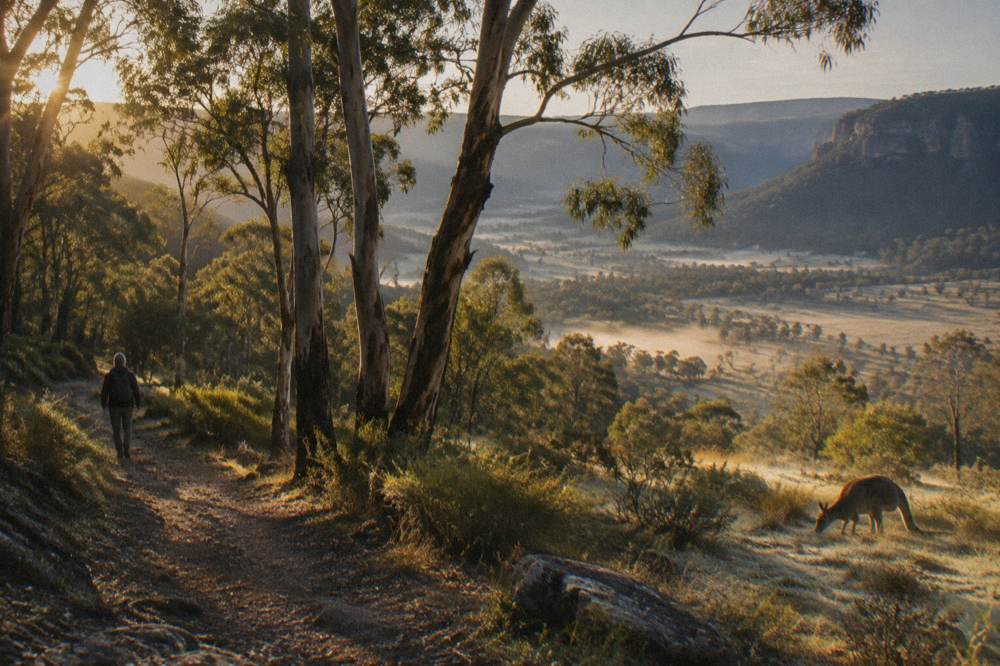
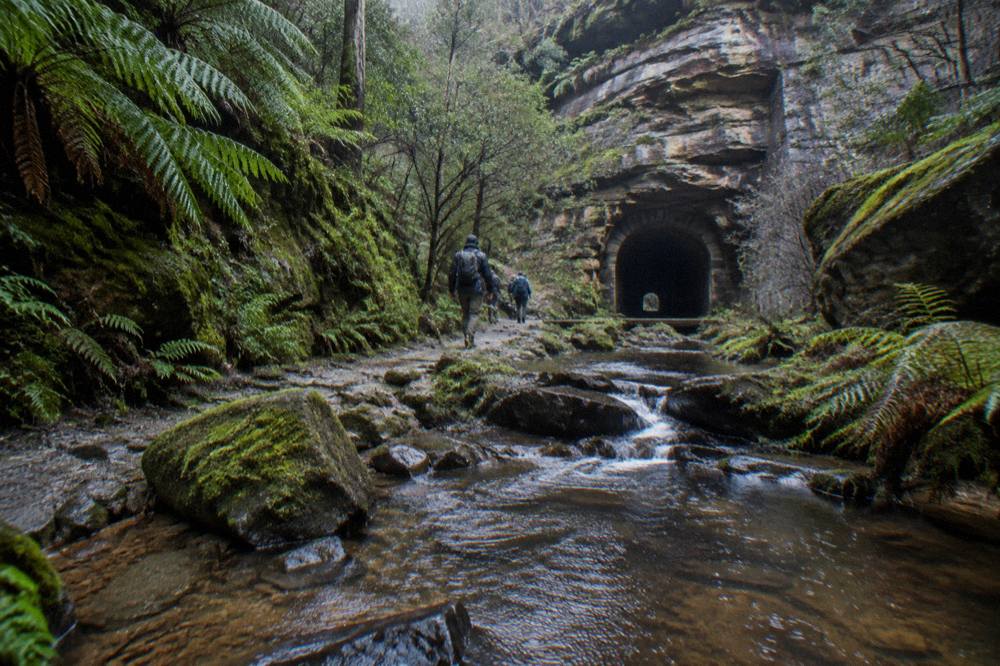
Spring and autumn earn their recommendation twice over. The temperatures are mild, the school-holiday spikes are shorter, and the track's 80-plus steps, some of them narrow timber steps without handrails, are far more pleasant at 8 degrees than at either summer midday heat or a July pre-dawn. If your only window is a summer weekend, go early in the day: the tunnel is dark enough inside for daytime viewing, and the carpark at the end of Glowworm Tunnel Road is small and fills fast. The walk itself is covered in detail in the guide to the Glow Worm Tunnel walking track.
Time Of Night And Moonlight
For outdoor colonies, go after full dark and let your eyes adjust for 20 to 30 minutes, and prefer a night with little or no moon. In the tunnel, daytime works because the 387 metre bore is pitch black inside. Operators say still, humid air and recent rain make displays look stronger, which is opinion but consistent with the habitat science.
Darkness is the one non-negotiable ingredient. Outside the tunnel, at overhangs and gullies, the glow only reads well once ambient light has gone, and the human eye needs a long time to adapt; the first minutes in the dark always look emptier than the next half hour. Inside the tunnel the calculation inverts: the bore is dark enough that National Parks says glow worms can be seen during the day, which is why the site works as a mid-morning destination and not only a night one.
Moonlight is the quieter variable. A full moon over an open gully adds ambient light that competes with a faint blue-green glow, while the week around a new moon gives the darkest sky. Cloud cover helps in the same direction, and the darker winter months of May to August can genuinely improve visibility at open-air sites, as local operators note. None of this needs equipment beyond a red-light torch or a standard torch shined at the ground, which is the National Parks guidance for both your safety and the colony's.
The Year Round Night Hike From Sydney
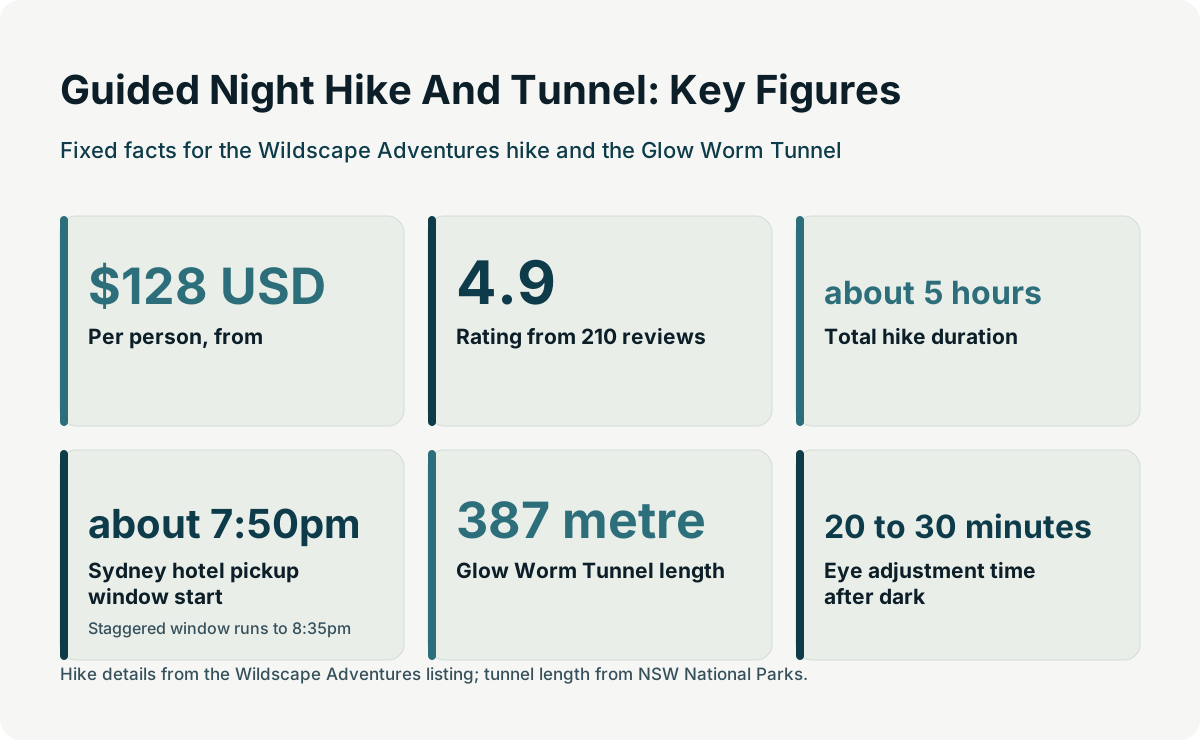
The guided night hike from Sydney, operated by Wildscape Adventures, runs year round, subject to cancellation for bad weather or unsold minimum numbers. It costs from $128 USD per person, rates 4.9 from 210 reviews, takes about 5 hours, and picks up from Sydney hotels in a staggered window from about 7:50pm to 8:35pm.
Because the hike goes to a cave behind a waterfall rather than the Wollemi tunnel, the seasonal logic is slightly different. The cave's glow worms are wild and present all year, and the operator does not publish the cave's location, so the experience is bought as a guided night rather than a self-navigated one. The listing supplies headlamps with a red-light mode, transport in a small van, parking fees, water and a certified outdoor instructor, with a maximum of 9 travellers per departure. Free cancellation applies up to 24 hours before.
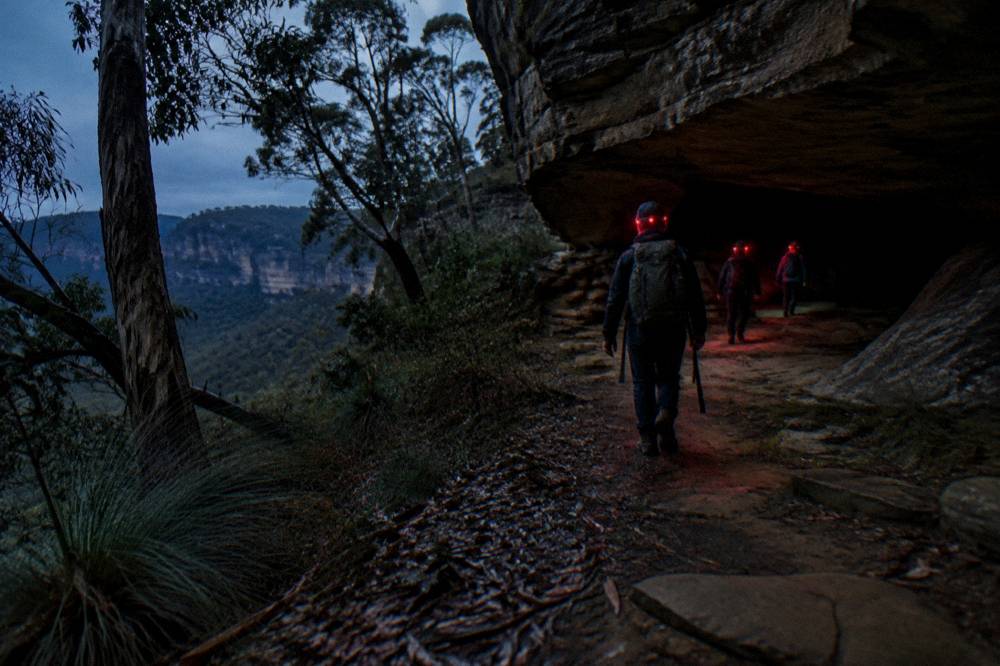
Timing within the year still matters for comfort. A February departure means a warm wait at the pickup point and a mild walk; a July one means temperatures that can sit near Katoomba's 2.6 degree mean minimum, so pack layers regardless of season. The listing is flagged as often selling out, which is worth knowing if you are tying a booking to a specific dark-sky weekend or a school-holiday window. The planning trade-offs between booking and driving yourself are laid out in the comparison of self-drive versus guided glow worm visits.
The fixed evening shape of the hike is worth spelling out, because it is the same in every season. The operator staggers pickups across Sydney accommodation rather than using a single meeting point, and the return lands between about 11pm and midnight, so the whole experience fits an evening without consuming a full day.
| Hike detail | What the listing states |
|---|---|
| Price | From $128 USD per person |
| Rating | 4.9 from 210 reviews |
| Duration | About 5 hours |
| Pickup | Sydney hotels, about 7:50pm to 8:35pm, staggered |
| Return | Around 11pm to midnight per the operator |
| Group size | Maximum 9 travellers |
| Cancellation | Free up to 24 hours before |
What Weather Cancels A Glow Worm Visit
Weather cancels glow worm visits in two ways: the operator cancels the night hike for bad weather or unsold minimum numbers, and the tunnel-to-Newnes track section can close during or after heavy rain due to rockfall and flood risk. The unsealed access road is 4WD-only when wet. A park fire ban runs from 1 October 2026 to 31 March 2027.
Rain, then, is not the enemy of the glow worms but can be the enemy of your access. The same wet week that operators say boosts displays can make Glowworm Tunnel Road impassable for a 2WD and can shut the gorge section of the track. Check the National Parks alerts before you drive: alerts also currently list construction works at the Bungleboori precinct until December 2026 and a single-lane section on Glowworm Tunnel Road from 11 October 2026, with delays of up to five minutes. The current status is tracked in the guide answering whether the Glow Worm Tunnel is open.
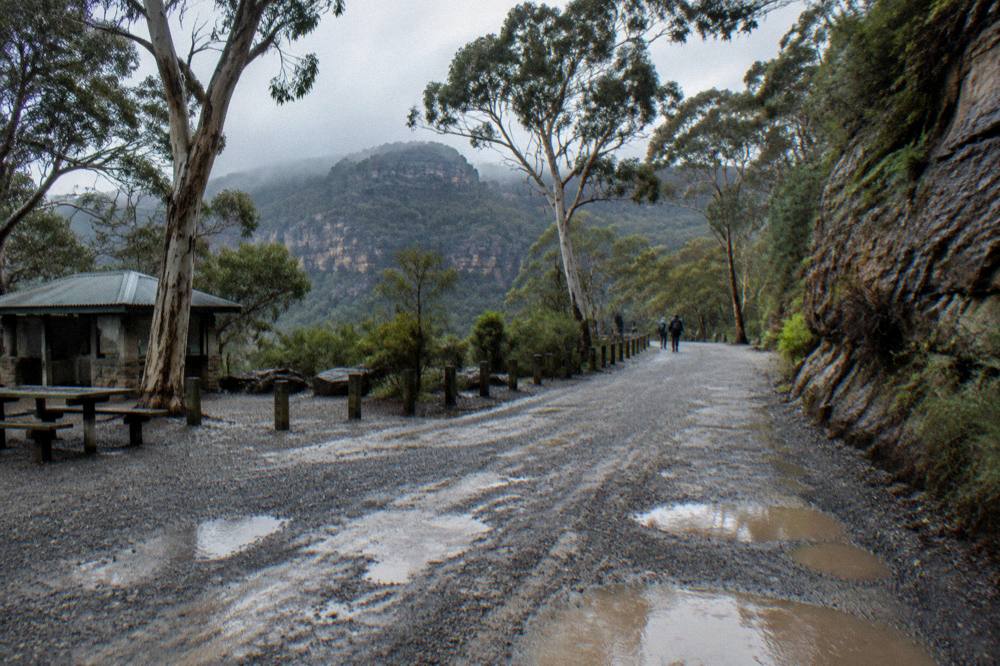
Heat and dryness are the quieter risks. Operators note that hot, dry periods and summer heatwaves can stress colonies, and the glow worm habitat rule of thumb, sheltered, humid, still air with running water nearby, tells you why. For the guided hike, the practical protection is the 24-hour free cancellation window: if the forecast turns, the booking can be moved or released without cost. Beyond that, the only firm seasonal restriction in the park is the fire ban on campfires and solid-fuel stoves, which does not affect a daytime or evening walk but does change any plans to cook in the park.
The short version of all of this: pick a weekday in spring or autumn if your calendar allows, prefer a dark, still night after some rain, and check the alerts before you set out. Glow worms will be there whichever month you choose, and Blue Mountains Glow Worms covers the places, the transport and the booking options for the rest of the plan. The night hike from Sydney runs year round with the same logic, and its live listing carries the current departure dates.
Whichever route you take, the season is less important than the conditions on the night: quiet, dark, damp and unhurried. That is when the plateau's smallest lights are at their best, and when you are most likely to leave having actually seen them.
Common Questions About The Best Time To See Glow Worms
What is the best time to see glow worms?
Any time of year, timed well. Glow worms are present year round in the Blue Mountains, and NSW National Parks suggests visiting during the week or in spring or autumn to avoid crowds and limited parking. For open-air sites, go after full dark on a still night with little moonlight.
What time of year do glowworms come out?
Glow worms do not have an "out" season; the larvae glow year round in their caves, overhangs and tunnels. Operators and travel press say displays often look stronger in warm, wet months and after rain, but that is opinion, not an official ranking, and no official source ranks months by brightness.
Can you see glow worms during the day?
Yes, inside the Glow Worm Tunnel. The 387 metre bore is pitch black inside, which is dark enough for daytime viewing, and National Parks says so explicitly. At open-air sites such as gullies and overhangs, daylight viewing does not work; those need full dark.
Do glow worms glow more after rain?
Operators and travel press say rain increases how many larvae glow and how brightly, and the habitat science is consistent with that, since glow worms need humid, still air with running water nearby. But no official data confirms it, so treat it as informed opinion rather than fact, and remember rain can close the wet-weather access road.
Is winter a bad time to see glow worms?
No. Winter visits remain viable, and the tunnel is quieter then, with fewer crowds on the road and track. The trade-off is cold: Katoomba averages a 2.6 degree minimum in July, and the unsealed access road requires a 4WD when wet. Dress for the plateau, not for Sydney.
Does the night hike from Sydney run all year?
Yes, the guided night hike runs year round, subject to cancellation for bad weather or if minimum numbers are not met. It costs from $128 USD per person, takes about 5 hours with hotel pickup from about 7:50pm to 8:35pm, and offers free cancellation up to 24 hours before.