What Are The Opening Hours Of The Glow Worm Tunnel In Lithgow?
NSW National Parks publishes no opening hours for the Glow Worm Tunnel near Lithgow: the track is listed open, and the tunnel is dark enough to see glow worms during the day. Here is how to plan a visit.
What Are The Opening Hours Of The Glow Worm Tunnel In Lithgow?
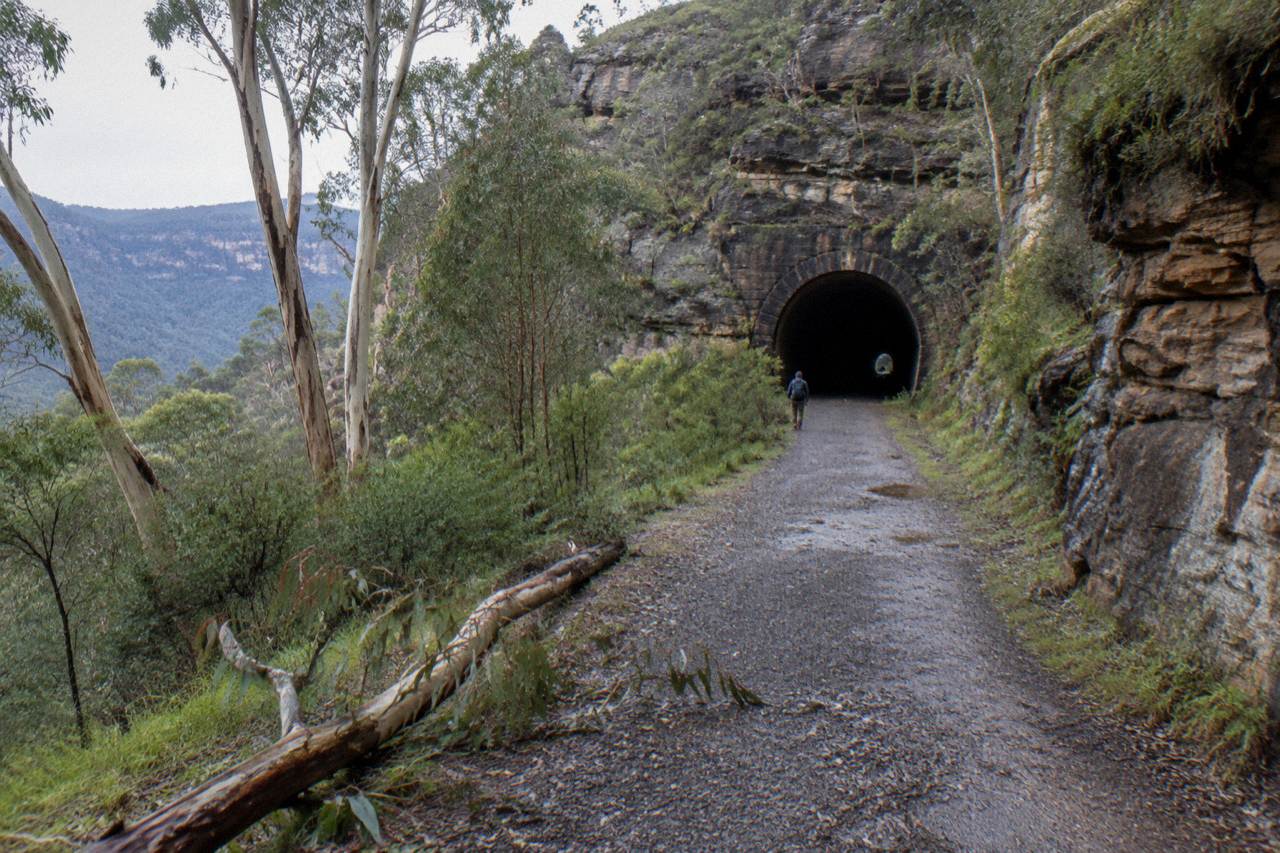
The Glow Worm Tunnel in Lithgow has no fixed opening hours: NSW National Parks lists the walking track as "Open, check current alerts" with no gate, no staffed entrance and no entry fee. Because the 387 m disused railway tunnel stays dark inside, glow worms are visible during the day, so you can visit in daylight hours. The only fixed hours nearby belong to the Blue Mountains Heritage Centre office in Blackheath, open 9am to 4pm daily except Christmas Day. Since you can drop by any time daylight suits you, it helps to know that the real danger in the tunnel comes from the dark, steps and wet floors rather than the creatures themselves, which our guide to whether glow worms pose any threat to visitors explains in plain terms.
That single status line, "Open, check current alerts", is the whole answer, and it surprises people who expect a fenced attraction with a schedule. The tunnel sits at the end of Glowworm Tunnel Road in Wollemi National Park, near Lithgow, about a 2.5 hour drive from Sydney. Nobody opens it in the morning and locks it at night. It was built in the early 1900s for the Newnes mining railway, and when the railway closed the glow worms moved in, colonising the permanent darkness the way they colonise caves, overhangs and rainforest gullies across the region.
The practical version of the question is therefore not "when is it open" but "when should I go". Daytime visits work, which is unusual for glow worm spotting, because the tunnel is long enough that its middle section stays pitch black at noon. Evening visits work too, and the surrounding track is a 6 km return Grade 3 walk that NSW National Parks suggests allowing 2 to 3 hours for. The official track page carries the full detail, including the alert feed that replaces a posted schedule: the NSW National Parks Glow Worm Tunnel track page.
For travellers who would rather have a guide, transport and a set departure time than plan a self-drive on unsealed roads, there is one bookable evening option with Sydney hotel pickup. The listing is flagged as often selling out, which is the closest thing this area has to an opening-hours constraint.
Does The Tunnel Ever Close?
Yes, but through alerts rather than posted hours. The track's status is "Open, check current alerts", and temporary closures can follow heavy rain, with the Glow Worm Tunnel to Newnes section flagged for rockfall and flood risk, plus fire danger and wet-road conditions on the unsealed access. There is no annual closure, no reduced winter schedule and no Christmas shutdown of the tunnel itself. The alerts page, checked the day before a visit, is the real opening-hours notice. For a fuller picture of current closures and conditions, see our guide to whether the Glow Worm Tunnel is open right now.
The distinction matters because people search for hours, find nothing, and assume the place is closed. It is not a staffed site. NSW National Parks manages it as a walking track inside a national park, and parks in NSW stay open to walkers around the clock unless an alert says otherwise. The current alert feed does carry real items worth knowing about: a park fire ban in Wollemi National Park from 1 October 2026 to 31 March 2027, construction works at the nearby Bungleboori precinct until December 2026, and a single-lane section on Glowworm Tunnel Road from 11 October 2026 with delays of up to 5 minutes. None of those close the tunnel itself.
Rain is the one to watch most closely. The section of track from the tunnel through Penrose Gorge toward Newnes may close during or after heavy rain because of rockfall and flood risk, and the unsealed access road drops to 4WD-only in wet weather even when the track stays open. A sunny-day plan and a rainy-day plan can look completely different here.
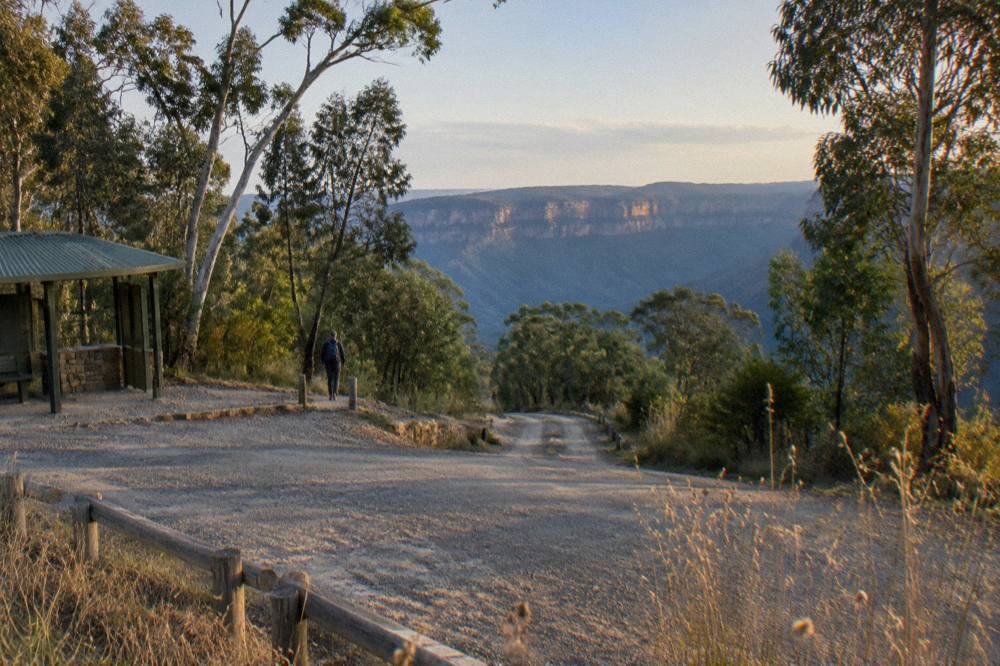
The road is the part that behaves most like a set of opening hours. Glowworm Tunnel Road is unsealed gravel for its final stretch, and NSW National Parks advises that 2WD access is possible in dry weather, 4WD is highly recommended, and access is by 4WD only when it is wet. No public transport reaches the carpark at all. So the honest planning rule is: the tunnel is open whenever you can safely get to it, and the road decides that more than any gate ever would.
For anyone who would rather not read road alerts at all, the evening hike from Sydney sidesteps the problem entirely, with hotel pickup between about 7:50pm and 8:35pm and a return around 11pm to midnight per the operator. It goes to a glow worm cave behind a waterfall, not the tunnel, and it is cancelled for bad weather or if minimum numbers are not met, which is its own honest version of an alerts feed. Free cancellation applies up to 24 hours before.
When Is The Best Time Of Day To Visit?
Mid-morning to mid-afternoon is the easiest window, because the 387 m tunnel is dark enough inside to see glow worms in full daylight, and the walk in is safer on a dry track. Late afternoon works if you finish the 6 km return before dark. Night visits suit confident walkers with red-light torches, and eyes need 20 to 30 minutes to adjust for the best display.
The daytime fact is the one most first-time visitors miss. Glow worms need darkness, and most colonies live in places that only get properly dark after sundown. A 387 m railway tunnel is the exception: walk far enough in and the daylight behind you stops mattering, so a 1pm visit in January can show a colony glowing just as it would at 9pm. NSW National Parks makes the point directly, noting that because the tunnel is long, it gets dark enough to see glow worms during the day.
Night still has advantages. Glow worms switch their lights off if disturbed, and a quiet, still night with no competing daylight gives the fullest display across the walls and ceiling. Operators and travel press also say displays are often stronger in warm, wet months and after rain, though no official source ranks months and NSW National Parks itself only suggests visiting during the week or in spring or autumn to avoid crowds and limited parking. Treat the seasonal claims as opinion, not data.
| Time of day | What works | What to watch |
|---|---|---|
| Morning | Cool walk in, tunnel dark inside | Weekend parking fills early |
| Midday | Full glow worm visibility inside the tunnel | Summer heat on the exposed track |
| Late afternoon | Light for the walk out | Finish the 6 km return before dusk |
| Night | Quietest, fullest display | Red-light torch only, uneven wet floor |
Whenever you go, the viewing rules from NSW National Parks apply around the clock: stay on the path, keep noise to a minimum, shine your torch at the ground or use a red-light setting, never point a torch at the glow worms because it can damage their bioluminescence and makes them turn their lights off, and look but do not touch. The biology page explains why the rules are strict, and it is worth reading before a first visit: the NSW National Parks glow worm facts page.
What About The Office Hours And The Area Around Lithgow?
The Blue Mountains Heritage Centre office at 270 Govetts Leap Road, Blackheath, is open 9am to 4pm daily except Christmas Day, phone 02 4787 8877, and it is the staffed contact point for the track. Lithgow itself is the service town for the visit: fuel, food and the turnoffs toward the tunnel. No opening hours or entry fee are listed for the tunnel itself on any of the NSW National Parks pages covering it.
Blackheath is on the Blue Mountains side rather than the Lithgow side, but it is the office that operates this track, and it is the one place with a human on a phone who can tell you today's status. That is the closest thing the Glow Worm Tunnel has to an information desk. If an alert is ambiguous or the weather is turning, a quick call answers what a search for opening hours never will.
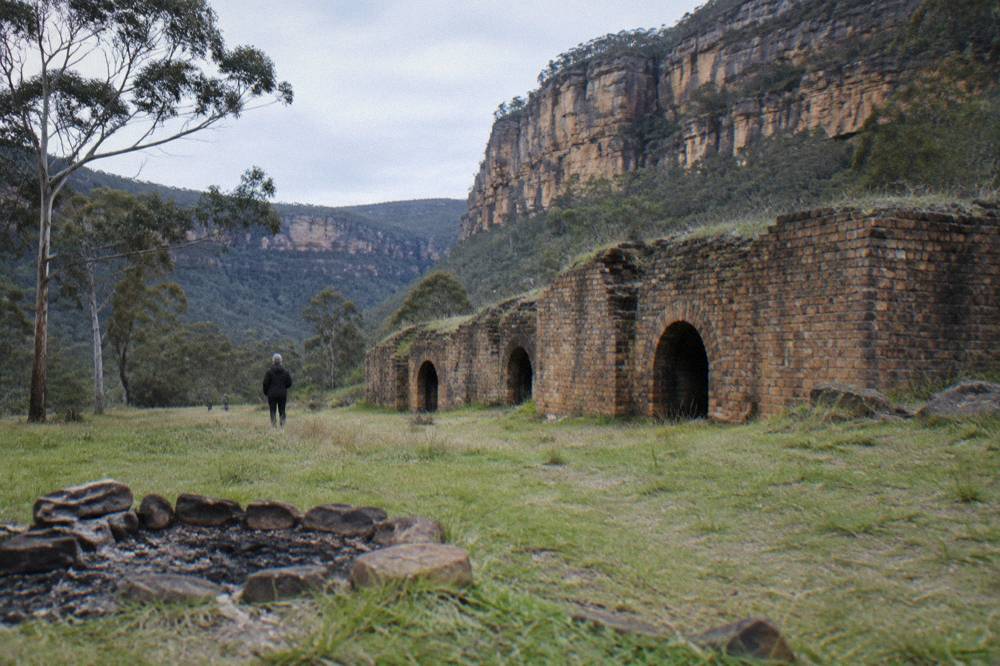
The wider area rewards a slow day. The Newnes Industrial Ruins walk in the same national park passes the remains of the shale oil industry, including coke ovens, brick kilns, paraffin sheds, a 15 m wall and beehive kilns, and the Old Newnes Hotel survives mainly as an access landmark. Our Newnes Hotel and ruins walking guide covers what to expect on that side of the park, reached via Wolgan Road, a mix of sealed and unsealed where 4WD is recommended especially in wet weather.
Winter deserves a mention, since people assume cold months close things down. They do not. Glow worms are present year round, the tunnel has no reduced winter schedule, and Katoomba's mean minimum only drops to 2.6 degrees in July, cold but very walkable in layers. The Bureau's climate averages for the station at Farnells Road, Katoomba, at 1,017 m elevation, show the full monthly picture: Bureau of Meteorology Katoomba climate statistics. Winter visits are often quieter, and NSW National Parks says the busy, parking-limited periods are summer, weekends and holidays.
Can You See Glow Worms At Night Without Driving To Lithgow?
Not at the tunnel unless you drive yourself, but yes from Sydney on a guided evening hike. The bookable night adventure picks up from Sydney hotels between about 7:50pm and 8:35pm, takes a maximum of 9 travellers on a guided bush walk with red-light headlamps to a glow worm cave behind a waterfall, and returns around 11pm to midnight per the operator. It costs from $128 USD per person.
This is the option that answers the opening-hours question in a different way: instead of working out when a free, unstaffed tunnel is visitable, you buy a departure time. The operator, Wildscape Adventures, does not publish the cave's location, and the tour is a different experience from the self-guided tunnel walk, with a certified outdoor instructor, transport in a small van, parking fees and water included. Moderate fitness is required and the walk is not wheelchair accessible. The listing is rated 4.9 from 210 reviews, flagged as often selling out, and it is cancelled for bad weather or if minimum numbers are not met, so the same weather logic that governs the tunnel governs the tour. Free cancellation applies up to 24 hours before.
It suits two kinds of traveller. The first is the Sydney visitor without a car who still wants to see native glow worms, since no public transport reaches the tunnel carpark and a self-drive means an unsealed road at night. The second is the driver who would rather not walk a remote track in the dark alone. Our glow worm tour from Sydney planning guide compares the two approaches in detail.
Sightings are never guaranteed on either route, and honest framing matters here. Glow worms are wild animals, larvae of the fungus gnat Arachnocampa richardsae, and they turn their lights off when disturbed. A quiet group on a still night sees more than a loud one at midday, whichever location they choose.
Planning Your Visit Around The Lack Of Hours
Treat the Glow Worm Tunnel as always open but condition-dependent: check the NSW National Parks alerts the day before, aim for a weekday in spring or autumn if the schedule allows, and allow 2 to 3 hours for the 6 km return walk. There is no fee, no booking and no permit. The only fixed hours in the entire operation are the Heritage Centre office, 9am to 4pm daily except Christmas Day.
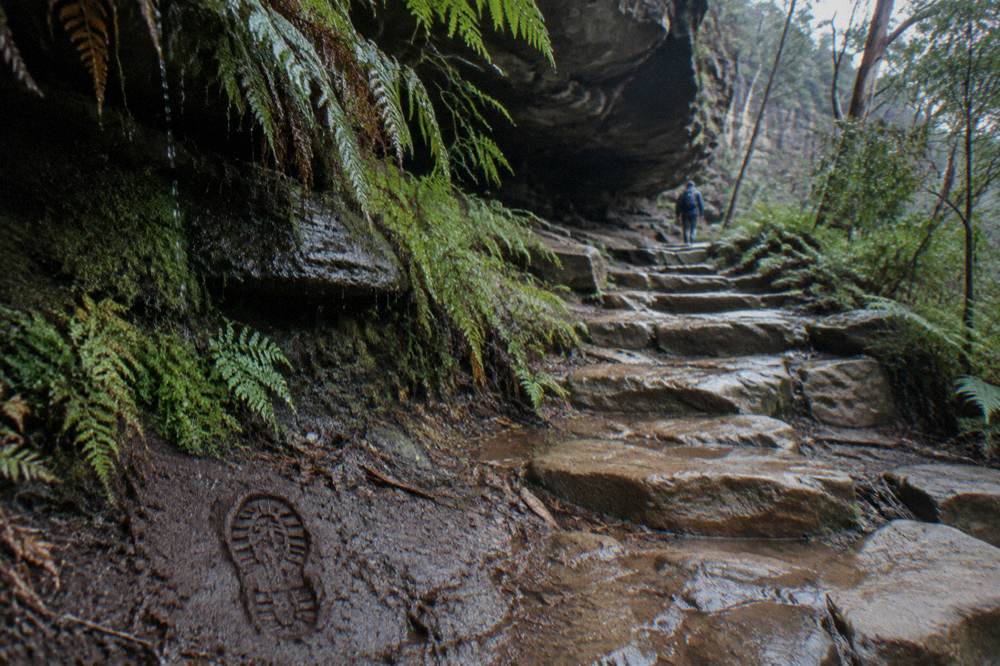
A simple routine covers everything. Read the alerts page the day before, confirm the road suits your vehicle, leave early enough to finish the walk in daylight if you are not equipped for night, and call the Blackheath office on 02 4787 8877 if anything is unclear. Over 80 steps on the track have no handrails, there is a pinch point half a metre wide after the bridge, the tunnel floor is uneven and may be wet, and mobile reception at the carpark is very limited, so the Emergency Plus app is advised. None of that is an opening-hours problem, but all of it is what actually shapes the visit.
For photographers, the lack of hours is a gift: the tunnel's interior darkness is constant, so a midweek midday visit with a tripod and no flash decisions forced on you by closing time is entirely workable. Our glow worm tunnel photography guide covers settings and etiquette, noting that NSW National Parks publishes no flash rule either way, so the safe default is no flash at all.
And for the traveller who reads all this and decides the unsealed road, the steps and the alerts feed are more planning than a short Sydney stay can absorb, the guided evening hike remains the one-book-click alternative, covered in our booking a glow worm tour guide. This site, Blue Mountains Glow Worms, keeps the full comparison between the free tunnel and the guided cave walk in one place.
The short answer to the hours question, one last time: there are no hours, there is no fee, the status is open, and the things that will actually change your plans are rain, road conditions and parking on a summer weekend. Plan for those and the tunnel will be open whenever you arrive.
Common Questions About The Glow Worm Tunnel In Lithgow
What Are The Opening Hours Of The Glow Worm Tunnel In Lithgow?
There are no published opening hours. NSW National Parks lists the track as "Open, check current alerts", with no gate, no entry fee and no staffed entrance. The tunnel is dark enough inside to see glow worms during the day, so any daylight hour works, and the only fixed hours nearby are the Blue Mountains Heritage Centre office in Blackheath, open 9am to 4pm daily except Christmas Day.
Is the Glow Worm Tunnel open every day of the year?
The tunnel itself has no annual closure or reduced winter schedule. Temporary closures can follow heavy rain, with the Glow Worm Tunnel to Newnes section flagged for rockfall and flood risk, and park fire bans and road conditions can affect access. Check the NSW National Parks alerts page before travelling.
Can you see glow worms in the tunnel during the day?
Yes. The tunnel is 387 m long, and because it is so long it gets dark enough inside to see glow worms during the day, which NSW National Parks states directly. Mid-morning to mid-afternoon visits work, though a quiet night with red light and fully adjusted eyes gives the fullest display.
Does the Glow Worm Tunnel cost anything to visit?
No entry, parking or permit fee is listed on any of the NSW National Parks pages covering the track. The visit is free. The costs are practical: fuel for the drive, a suitable vehicle for the unsealed road, and your own torch with a red-light setting.
Can you get to the Glow Worm Tunnel by public transport?
No. No public transport reaches the carpark at the end of Glowworm Tunnel Road. Access is by private vehicle on unsealed roads, with 2WD possible in dry weather and 4WD required in wet weather. The tunnel is about a 2.5 hour drive from Sydney.
Is there a guided tour that visits the tunnel in the evening?
The bookable evening tour from Sydney visits a glow worm cave behind a waterfall, not the tunnel, with hotel pickup between about 7:50pm and 8:35pm and a return around 11pm to midnight per the operator. Direct tunnel tours from local operators exist, but the Sydney-pickup option is the cave hike.