Is The Glow Worm Tunnel Open? Current Status And Alerts
NSW National Parks lists the Glow Worm Tunnel walking track as open, but a stack of 2026 alerts sits around it: a fire ban, a closed works site, a single-lane road section and rain-triggered track closures. This guide sets out what is actually open, what is not, and exactly how to confirm it on the day.
Short answer
Yes, the Glow Worm Tunnel walking track is listed as open, check current alerts, per NSW National Parks. The tunnel itself has no entry fee and no set opening hours, but the track can close after heavy rain, and a park fire ban applies from 1 October 2026 to 31 March 2027. Call the Blue Mountains Heritage Centre on 02 4787 8877 to confirm.
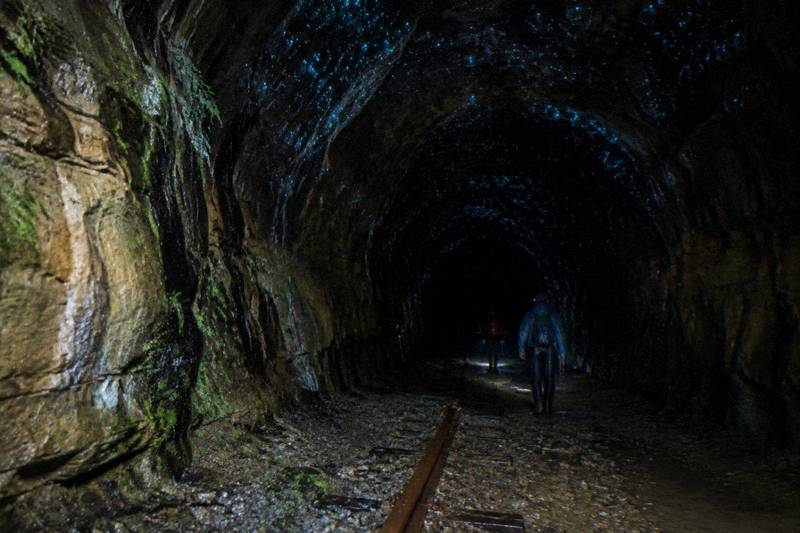
NSW National Parks and Wildlife Service currently lists the Glow Worm Tunnel walking track in Wollemi National Park with the status line "Open, check current alerts". That single line carries a lot of weight. The tunnel itself, a 387 m relic of the old Newnes mining railway near Lithgow, has no gate, no entry fee and no posted opening hours, so "open" really refers to the track, the unsealed road in and the broader park conditions around it. In 2026 those surrounding conditions are unusually busy: a park fire ban, a closed construction site at Bungleboori, a single-lane stretch on Glowworm Tunnel Road and a campground precinct closure all sit within a short drive of the carpark. If the road and track conditions feel like more hassle than you fancy, a guided 4WD trip to the tunnel through Wolgan Valley lets someone else handle the driving.
This guide pulls the current status together in one place: what is open, what is closed or restricted, when the track itself shuts, and exactly which phone numbers and pages to check on the morning you plan to go. Statuses change weekly, so re-check the alerts before travelling. The official track page is the live source of truth: the Glow Worm Tunnel walking track listing on the NSW National Parks site.
Is The Glow Worm Tunnel Open Right Now?
Yes. The Glow Worm Tunnel walking track is listed as open, with the standing advice to check current alerts before travelling. The track is a 6 km return walk, Grade 3, starting at the carpark at the end of Glowworm Tunnel Road, and the tunnel is roughly a 2.5 hour drive from Sydney. There is no entry fee listed and no booked timeslot, so nothing stops a same-day visit apart from weather, fire danger or road conditions.
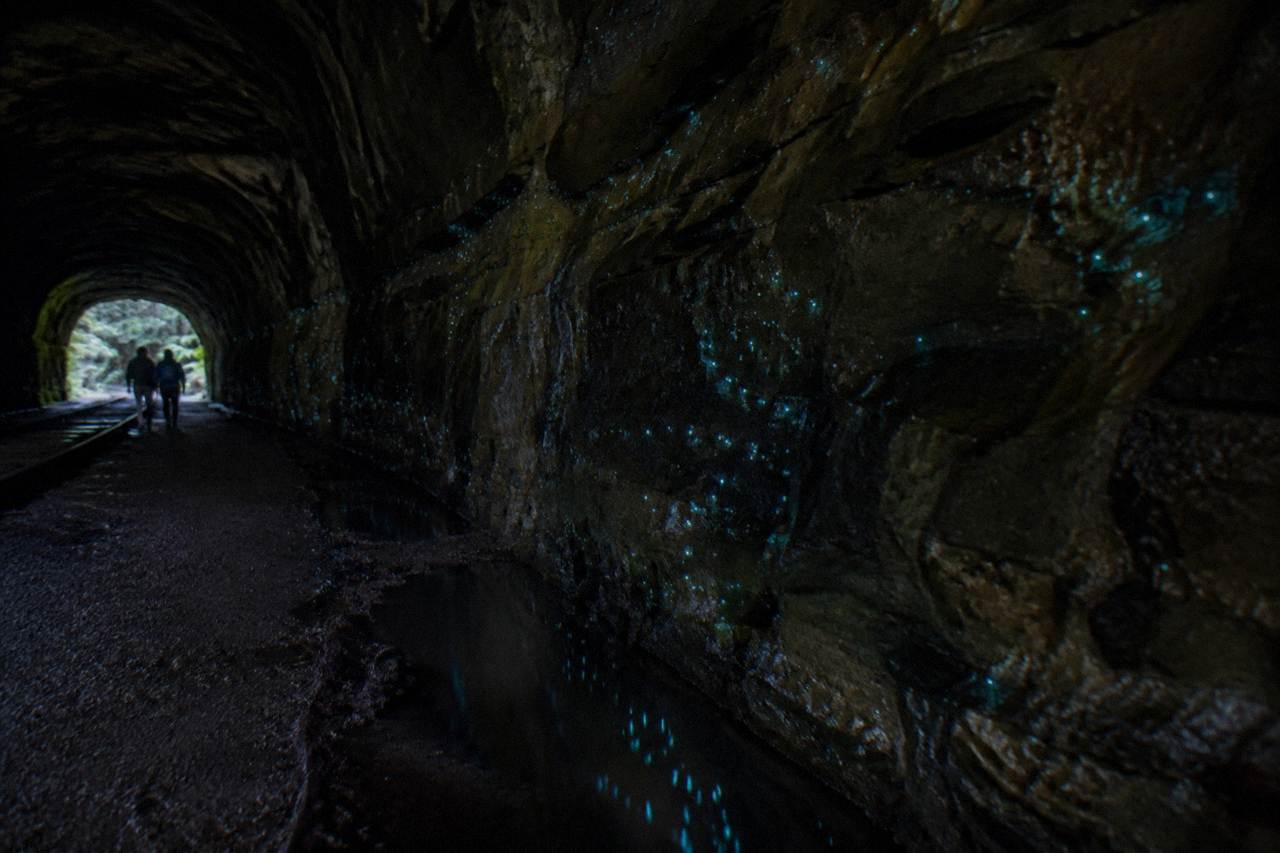
The status line has read "Open, check current alerts" for some time, and it is deliberately double-edged. The track is not gated or ticketed, and NSW National Parks describes the tunnel as a year-round spectacle that is free to visit, dark enough inside to show glow worms even at midday. But the same agency runs an alerts system for the whole of Wollemi National Park, and several alerts active in late 2026 touch the roads and precincts around the tunnel even though none of them closes the track itself.
Two things follow from that. First, an "open" status does not mean easy: the access road is unsealed gravel, 2WD is possible in dry weather, and 4WD is required once that gravel is wet. Second, the alerts that matter most are the ones that change fastest, particularly the fire ban calendar and the post-rain closures on the Glow Worm Tunnel to Newnes section. Both are covered in the sections below, with the exact dates currently in force.
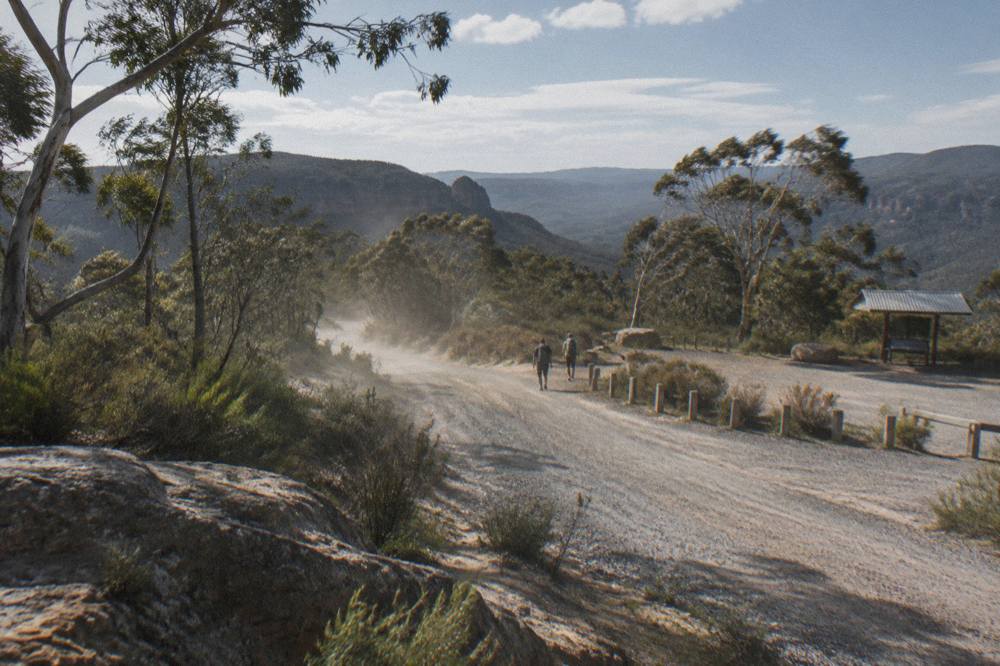
If your plan is flexible, the standing NSW National Parks advice is worth repeating: it is best to visit during the week or in spring or autumn, because the track can be very busy and parking is limited during summer, weekends and holiday periods. Crowds do not close the tunnel, but a full carpark at the end of a 26.8 km gravel road effectively closes it for anyone arriving late. The month-by-month ribbon on the homepage of Blue Mountains Glow Worms goes into the seasonal picture in more depth.
What Alerts Are Active Around The Tunnel In 2026?
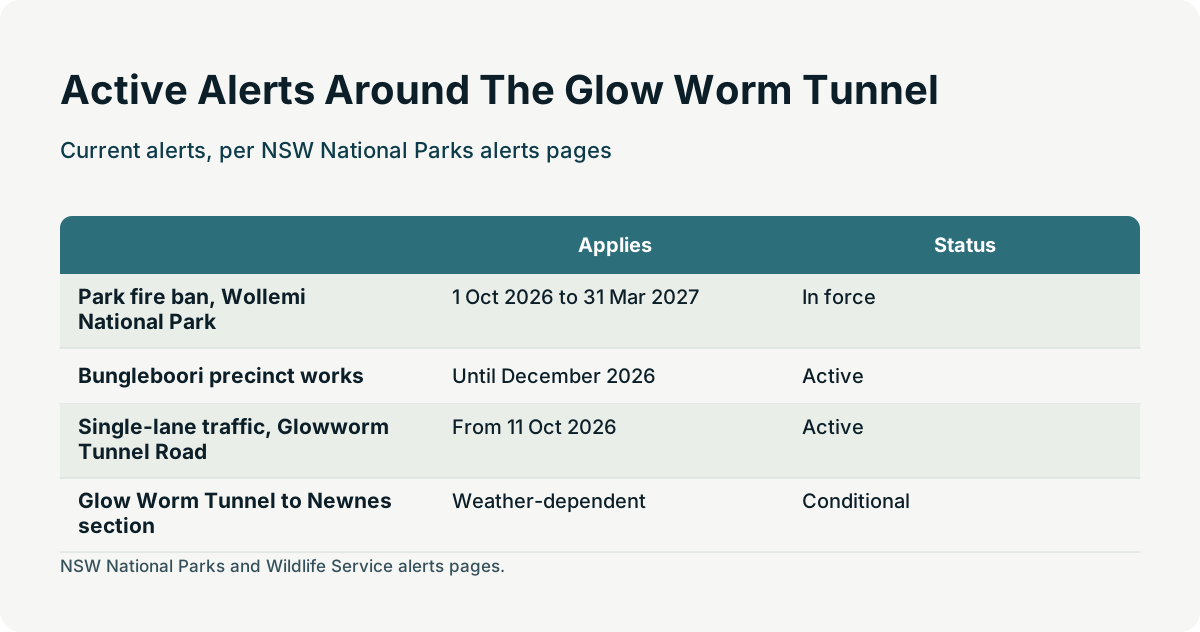
Three alerts currently sit on or near the Glow Worm Tunnel route: a park fire ban across Wollemi National Park from 1 October 2026 to 31 March 2027, construction works closing the Bungleboori precinct until December 2026, a single-lane section on Glowworm Tunnel Road from 11 October 2026 with delays up to 5 minutes. None of these closes the tunnel track itself.
Here is the alerts picture in table form. Each line comes from the NSW National Parks alerts pages, and the relevant offices re-review them regularly.
| Alert | What it means for visitors | Applies | Status |
|---|---|---|---|
| Park fire ban, Wollemi National Park | Campfires and solid-fuel stoves prohibited; gas and electric cookers allowed under conditions | 1 Oct 2026 to 31 Mar 2027 | In force |
| Bungleboori precinct works | The Bungleboori site is closed to visitors; drive with caution and follow traffic controls | Until December 2026 | Active |
| Single-lane traffic, Glowworm Tunnel Road | At the intersection with Lost City North and Maiyingu Marragu; delays up to 5 minutes | From 11 Oct 2026 | Active |
| Glow Worm Tunnel to Newnes section | May close during or after heavy rain due to rockfall and flood risk | Weather-dependent | Conditional |
The fire ban deserves a note because it changes the packing list rather than the route. Under a park fire ban, campfires and solid-fuel barbecues are prohibited, and only gas or electric cookers are permitted under specific conditions. For a day visitor walking to the tunnel this barely registers, but it signals the season: from October through March the plateau is hot, dry and fire-prone, and total fire ban days can change access rules park-wide at short notice. The live alerts page for the area is the place to watch: the NSW National Parks local alerts for the Glow Worm Tunnel area.
The Bungleboori and single-lane items are road-friction rather than closures. Bungleboori sits in the Gardens of Stone State Conservation Area adjacent to Wollemi, and the works there close that precinct to visitors while trucks and machinery move through. The single-lane section on Glowworm Tunnel Road from 11 October 2026 adds up to five minutes of delay at the Lost City North and Maiyingu Marragu intersection. Neither blocks the carpark at the end of the road, but both argue for allowing extra time and driving with patience on the gravel.
For travellers who would rather not parse gravel-road alerts at all, there is a bookable alternative that runs to a different glow worm site entirely: a guided night hike from Sydney to a glow worm cave behind a waterfall, picked up from city accommodation in the evening. It shares nothing with the tunnel road, so none of the alerts above touch it.
When Does The Track Close For Weather?
The Glow Worm Tunnel to Newnes section of the track may close during or after heavy rain, because of rockfall and flood risk in Penrose Gorge. The unsealed access road is the bigger everyday constraint: 2WD vehicles can use it in dry weather, 4WD is highly recommended, and in wet weather access is by 4WD only. There are no permanent seasonal closures, and the tunnel is open year round.
Rain is the one force that reliably shuts parts of this experience, and it works on two separate layers. The first layer is the road. Glowworm Tunnel Road is 26.8 km of unsealed gravel off Old Bells Line of Road, passing through a 60 m single-lane tunnel just before the carpark. Dry gravel is manageable in a 2WD with care. Wet gravel on a plateau of clay and sandstone is a different proposition, and NSW National Parks is blunt about it: 4WD only when the road is wet. Plenty of drivers have learned this the expensive way, and the practical rule is simple: if it has rained in the last day or two, or rain is forecast, take a high-clearance vehicle or postpone.
The second layer is the track. The walk from the carpark to the tunnel entrance is 1.5 km, and beyond the tunnel the track continues through Penrose Gorge toward Newnes. That gorge section is the part flagged for closure during and after heavy rain, because rockfalls and flash flooding are real hazards in a narrow sandstone canyon. The tunnel section itself, the part most visitors come for, is the steadier half of the walk, but the whole track shares the same weather system as the road.
| Condition | Road (Glowworm Tunnel Road) | Track (to tunnel and beyond) | Practical call |
|---|---|---|---|
| Dry, clear forecast | 2WD possible with care | Open, standard walk | Go, allow 2 to 3 hours for the 6 km return |
| Light rain on the day | Gravel slick in patches | Open, rocky and wet underfoot | 4WD recommended, waterproof footwear |
| Recent heavy rain | 4WD only | Newnes section may close for rockfall and flood risk | Postpone or check alerts by phone |
| Total fire ban day | Open but fire rules apply park-wide | Open unless separately closed | Check alerts, carry water, no flame of any kind |
Winter deserves a mention here because it is the quiet season rather than a closed season. There are no reduced hours for the tunnel and no winter shutdown. Katoomba's mean minimum temperature bottoms out at 2.6 degrees in July, and the plateau can drop below zero on clear nights, but the glow worms inside the tunnel do not hibernate: the colony is present year round, and the tunnel's darkness is what matters, not the season. Operators and travel press say displays are often stronger in warm, wet months and after rain, which is opinion rather than official data, but nothing in it argues against a winter visit. The seasonal detail, including the rainfall figures behind the "wet months" claim, is laid out in the guide to the best time to see glow worms.
The bookable night hike faces the same weather logic in reverse. Its operator cancels for bad weather or if minimum numbers are not met, with notice, rather than sending a small group out on a washed-out track. That is the trade-off you accept for a guided experience: less spontaneity, more certainty.
Can You Still Drive To The Carpark?
Yes, the carpark at the end of Glowworm Tunnel Road is open, 1.5 km from the tunnel entrance, and no current alert closes the road itself. The route in is unsealed gravel, parking is limited at peak times, and from 11 October 2026 a single-lane section adds up to 5 minutes of delay. No public transport reaches the carpark, so a private vehicle or a guided tour is the only way in.
Two routes reach the carpark from the Lithgow side. The first runs via Clarence and the Zig Zag Railway, along Old Bells Line of Road for 8.4 km and then Glowworm Tunnel Road for 26.8 km. Trucks use Old Bells Line of Road frequently, and a 40 km/h limit applies during working hours, so the drive is slower than the map suggests. The second option is State Mine Gully Road out of Lithgow, gravel almost immediately, which becomes Glowworm Tunnel Road after roughly 39 km. Both end at the same limited parking area, where two non-flush toilets and a single timber bench are the only facilities. There is no drinking water and mobile reception is very limited, which is why NSW National Parks suggests carrying the Emergency Plus app.
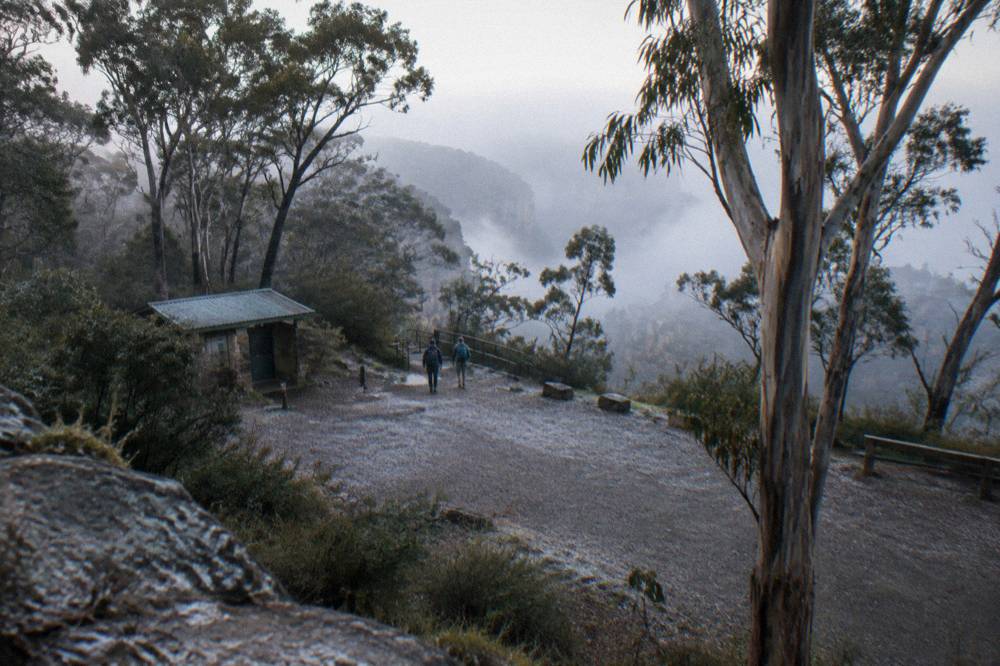
The practical checklist for the drive is short. Check the alerts the morning you go, confirm the road is dry or take a 4WD, avoid long vehicles (they are not permitted on the road), and arrive early on weekends and holiday periods because the carpark fills. The full route detail, including the alternative approach from the Old Coach Road carpark via the Pagoda track, is in the guide to getting to the Glow Worm Tunnel from Sydney, and the road itself has its own page: Glow Worm Tunnel Road and the car park.
For anyone without a 4WD, the honest summary is this. In dry weather a careful 2WD driver can do the road; in anything damp, the self-drive option shrinks to people with high-clearance vehicles, and the guided alternatives become the sensible route. Beyond The Blacktop, a licensed operator, runs guided tunnel tours from Katoomba Station or the Zig Zag Railway at Clarence, with its own page listing an adult guided tour at $210, currency not stated, over about 5 hours with no Sydney hotel pickup. And the Sydney-pickup night hike covers the glow worm experience without the plateau road at all: the Glow Worm Cave night hike from Sydney runs from $128 USD per person, about 5 hours, with hotel pickup between about 7:50pm and 8:35pm and a rating of 4.9 from 210 reviews. Check availability
How Do You Re-Check The Status Before You Go?
Call the Blue Mountains Heritage Centre on 02 4787 8877, open 9am to 4pm daily except Christmas Day, or the Kanangra Area office on (02) 6336 6200 for the alerts around Glowworm Tunnel Road. Online, re-read the track page and the local alerts page on the NSW National Parks site on the morning of your visit, because alerts are re-reviewed weekly and weather closures can appear without much notice.
The phone route is underused and genuinely the fastest way to settle a specific question, such as whether last night's storm closed the Newnes section or whether the gravel has dried out. The Blue Mountains Heritage Centre at 270 Govetts Leap Road, Blackheath, manages this track alongside the Blackheath office, and its staff field exactly these calls all day. The Kanangra Area office handles the alerts for the Bungleboori works and the Gardens of Stone side, including the single-lane arrangement on Glowworm Tunnel Road.
| Check | Contact or page | Best for | Hours or timing |
|---|---|---|---|
| Track status and closures | NSW National Parks track page | The "Open, check current alerts" line and track details | Re-read the morning you travel |
| Local alerts, works and fire bans | NSW National Parks local alerts page | Fire ban dates, Bungleboori, single-lane notices | Re-read the morning you travel |
| Track questions by phone | Blue Mountains Heritage Centre, 02 4787 8877 | Rain closures, track conditions, general planning | 9am to 4pm daily except Christmas Day |
| Works and road alerts by phone | Kanangra Area office, (02) 6336 6200 | Bungleboori works, Glowworm Tunnel Road notices | Weekday office hours |
| Weather and rainfall | Bureau of Meteorology Katoomba statistics | Whether rain has fallen recently on the plateau | Any time |
Build the re-check into the plan rather than leaving it to the car park. A sensible pattern for a day trip: read the alerts page over breakfast, glance at the Bureau of Meteorology rainfall for the Lithgow and Katoomba area for the previous 48 hours, and if anything looks marginal, call the Heritage Centre before committing to the drive. The bureau's long-term statistics for the Katoomba station show why the rain question matters so much here: mean rainfall runs 164.9 mm in January and 177.8 mm in February against 70.7 mm in September, so the wet months are genuinely more than twice as wet as the driest. The current figures sit on the Bureau of Meteorology's Katoomba climate statistics page.
One more habit worth forming: check the alerts again if your visit falls near a boundary date. The fire ban switches on on 1 October and off on 31 March, the single-lane section starts on 11 October, and the Bungleboori works are scheduled to run until December. A visitor who read the alerts in September and travelled in November would have missed two changes.
For travellers who would rather hand the weather-watching to someone else, the night hike option removes the re-check burden almost entirely. The operator monitors conditions and cancels for bad weather or if minimum numbers are not met, with free cancellation up to 24 hours before, so the decision is made for you rather than by you at the end of a gravel road.
What If Something Is Closed On The Day?
If the track or the Newnes section is closed, the fallback options are the Pagoda walking track approach from the Old Coach Road carpark, a guided tunnel tour from Katoomba or Clarence, or the Sydney-pickup night hike to a glow worm cave, which does not use the tunnel road at all. If the whole area is shut by fire danger, postpone: glow worms are present year round, so there is always another weekend. If you're wondering whether a daytime visit can still work, why the tunnel glows even in daylight explains how the darkness inside makes it possible.
Closures rarely remove every option, because the experience splits into three independent pieces: the plateau road, the walking track, and the wider region. When the Newnes section closes, the 1.5 km walk from the carpark to the tunnel entrance is usually still fine, and that is the part that holds the glow worms. When the road itself is the problem, the Old Coach Road carpark offers a different approach via the Pagoda walking track, about 4 km return per the NSW National Parks story on the tunnel, though that route has its own conditions and deserves its own check. And when the whole plateau is off the table, the region still has bookable glow worm experiences that do not depend on it.
The guided fallbacks split by starting point. From Katoomba or Clarence, Beyond The Blacktop's tunnel tours run about 5 hours and include the walk into the 387 m tunnel with red lights; the operator's own page lists $210 adult, $159 child, $189 senior, currency not stated, and $275 adult with the Dry Canyon option. From Sydney itself, the night hike picks up from city hotels in the evening, drives out with a certified outdoor instructor, and walks by headlamp to a cave behind a waterfall where native glow worms can be seen. It is a different site from the tunnel, the operator does not publish the cave's location, and sightings are of wild animals, never guaranteed, but it is the one glow worm experience that starts at your accommodation.
That last point is worth dwelling on for a moment, because it changes the risk profile of the whole day. A self-drive tunnel visit stacks three uncertainties: the road condition, the carpark capacity and the weather. A guided tour, either to the tunnel or to the cave, transfers the first two to someone who checks them daily. The night hike also runs with a maximum of 9 travellers, includes transport in a small van, parking fees, water and headlamps with a red-light mode, and offers free cancellation up to 24 hours before. The listing is flagged as often selling out, which is the operator's own signal that same-week bookings can miss out.
If the answer on the day is a flat no, the honest advice is to postpone rather than improvise. Glow worms are present year round, the tunnel is not going anywhere, and the region has plenty to fill a changed plan, from the Newnes industrial ruins to the lookouts over the Wolgan Valley. Some travellers fold the tunnel into a bigger trip; the planning guide to a Blue Mountains day trip from Sydney shows how the pieces fit together when one of them drops out.
What The Open Status Means For Planning
"Open, check current alerts" means the track is available today but the conditions around it are live and changeable. Plan around three fixed anchors: the fire ban window of 1 October 2026 to 31 March 2027, the Bungleboori works until December 2026, and the standing rain rule on the road and the Newnes section. Everything else, including the tunnel's free, hour-less access, is stable.
Put the whole picture together and the tunnel emerges as a very open attraction wrapped in a thin layer of logistics. The walk is short, the tunnel is spectacular, and the price is right, since no fee is listed for the track. What moves is the gravel under the tyres and the calendar of works and fire rules around it. A visitor who checks two pages and one phone number on the morning of the trip has effectively eliminated the risk of a wasted drive.
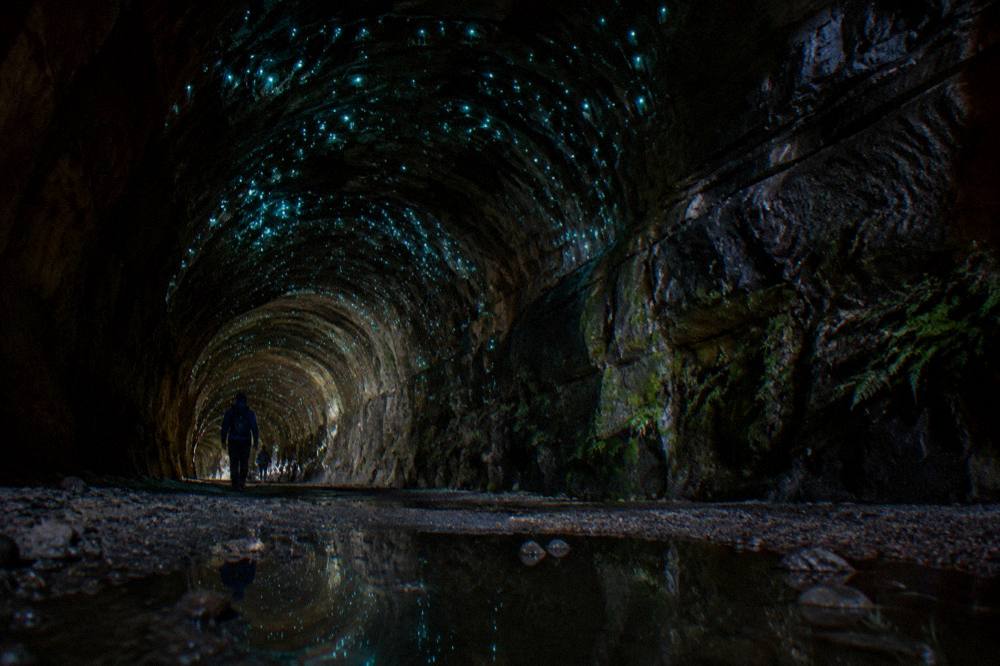
For travellers who want the glow worms but not the logistics, the choice is between the guided tunnel operators out of Katoomba and Clarence and the Sydney-pickup night hike to the waterfall cave. The tunnel operators put you inside the historic railway tunnel itself; the night hike puts you in a small group, by headlamp, at a wild cave an hour and a half or so from the city. Both are honest about the same thing: glow worms are wild animals, displays vary, and neither experience is a guaranteed sighting. The difference is that the night hike starts at your hotel door and ends back in Sydney around 11pm to midnight per the operator, with free cancellation up to 24 hours before, and the listing is flagged as often selling out.
Common Questions About The Glow Worm Tunnel Status
Is the Glow Worm Tunnel open?
Yes. NSW National Parks lists the Glow Worm Tunnel walking track as open, with the standing advice to check current alerts. The tunnel has no entry fee and no posted opening hours, and it is dark enough inside to see glow worms during the day.
What is the glow worm tunnel open status on the NPWS page?
The status line reads "Open, check current alerts". No current alert closes the track or Glowworm Tunnel Road itself, though the Bungleboori precinct is closed to visitors until December 2026 and a single-lane section applies on Glowworm Tunnel Road from 11 October 2026.
Can the Glow Worm Tunnel close after rain?
Yes. The Glow Worm Tunnel to Newnes section may close during or after heavy rain because of rockfall and flood risk in Penrose Gorge, and the unsealed access road is 4WD only in wet weather. The 1.5 km walk from the carpark to the tunnel entrance is usually the steadier part of the route.
Does the Glow Worm Tunnel have opening hours or an entry fee?
No hours and no fee are listed on the NSW National Parks track, visitor info or alerts pages. The tunnel can be visited during the day because it is dark inside, and the surrounding Blue Mountains Heritage Centre office is open 9am to 4pm daily except Christmas Day.
How do I check if the Glow Worm Tunnel is open today?
Re-read the NSW National Parks track page and local alerts page on the morning of your visit, or call the Blue Mountains Heritage Centre on 02 4787 8877. For the Bungleboori works and Glowworm Tunnel Road alerts, the Kanangra Area office can be reached on (02) 6336 6200.
Is there a tour that avoids the tunnel road entirely?
Yes. A guided night hike from Sydney runs to a glow worm cave behind a waterfall, with evening hotel pickup and drop-off, from $128 USD per person. It is a different site from the tunnel and is not affected by Glowworm Tunnel Road works, though the operator cancels for bad weather or if minimum numbers are not met.