Do I Need A Permit For The Lithgow Glow Worm Tunnel?
No permit and no entry fee are listed for the Lithgow glow worm tunnel walking track. This guide covers what NSW National Parks actually requires, the rules that apply without a permit, and how to confirm before you go.
Do I Need A Permit For The Lithgow Glow Worm Tunnel?
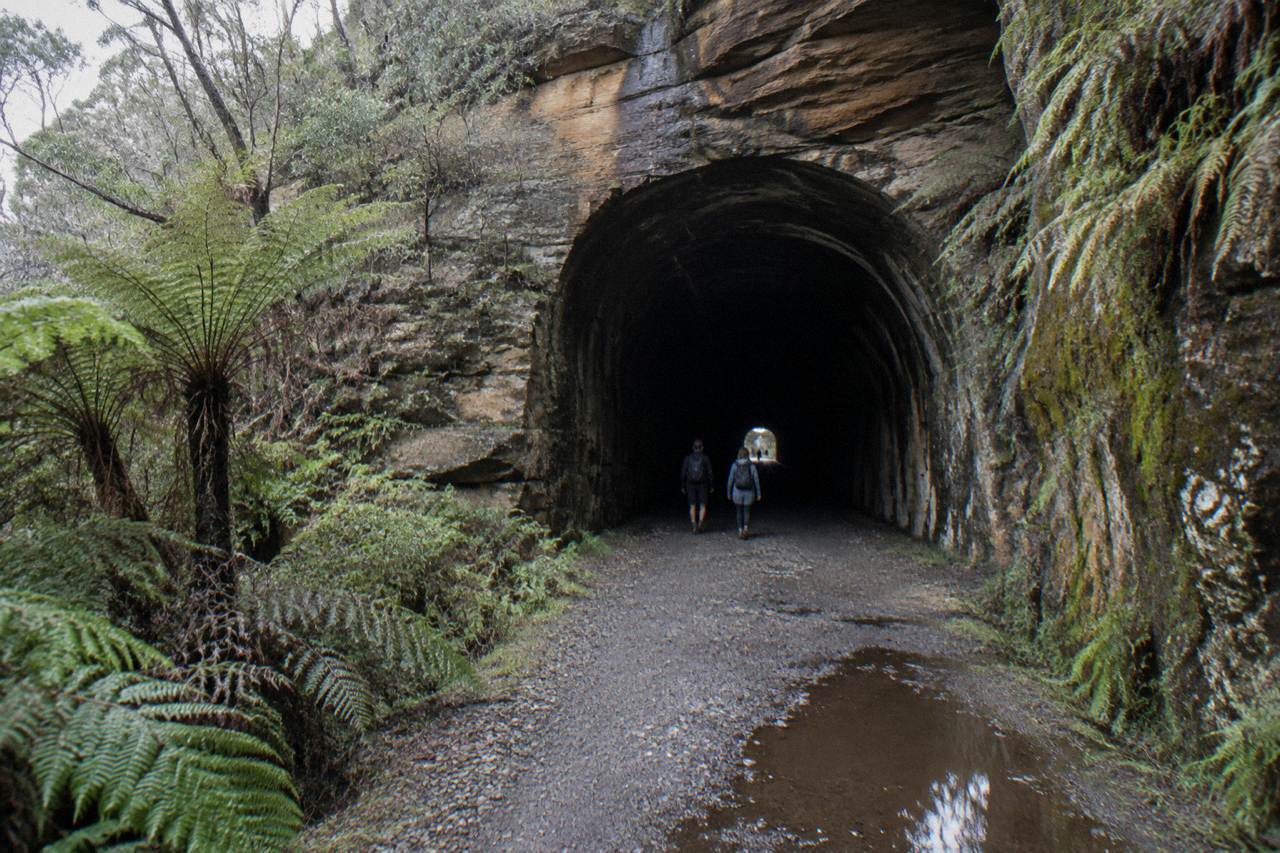
No. NSW National Parks lists no permit, no booking and no entry fee for independent visitors walking into the Lithgow glow worm tunnel in Wollemi National Park. The track's official pages read "Open, check current alerts" with no fee stated, and the NPWS story describes it plainly as a free, year-round spectacle. Anyone can park at the end of Glowworm Tunnel Road and walk the 1.5 km to the tunnel entrance without a form or a payment. If you're planning the rest of the outing, the town side of the trip guide covers what else to see around Lithgow before or after your walk.
That answer surprises people because the tunnel sits inside a World Heritage national park behind kilometres of unsealed road, and because glow worm colonies elsewhere in Australia sit behind ticket booths. The Lithgow tunnel is different. It is a disused railway tunnel, 387 m long, built in the early 1900s for the Newnes mining railway, and NSW National Parks treats it as an ordinary walking track: open to everyone, free of charge, and managed through alerts and on-the-ground rules rather than permits or quotas. If you're wondering whether that freedom means you can show up at any hour, the guide to the tunnel's opening hours explains how access actually works day and night.
The distinction that matters is between you as a private visitor and anyone running a business in the park. A family walking in with headlamps needs nothing but sensible gear and a check of current alerts. A tour company charging people to guide that same walk needs a commercial licence, which is a different instrument entirely, and the licensed operators around Lithgow hold exactly that kind of permission.
If you would rather not drive the unsealed plateau roads at night at all, there is one bookable alternative that handles every practical detail: the Glow Worm Cave Night Hike From Sydney picks up from Sydney hotels in the evening and runs a guided bush walk to a glow worm cave behind a waterfall, a different site from the tunnel. Check availability
Are There Any Fees Or Tickets To Enter The Tunnel Track?
None are listed. The NPWS track page, the visitor info page and the local alerts page for the glow worm tunnel walking track all omit any entry, parking or permit fee, and the official NPWS story calls the experience free. There is no gate, no ticket window and no booking system for the track itself. The only money you will spend getting there is fuel, food and whatever vehicle the unsealed road demands of you. If you want the full price picture before you set off, our complete cost breakdown for the Glow Worm Tunnel walk covers everything from fuel to guided tour options.
The full walk is 6 km return, suggested at 2 to 3 hours, graded Grade 3 with short steep hills, and NSW National Parks recommends some bushwalking experience. It starts at the carpark at the end of Glowworm Tunnel Road, covers 1.5 km to the tunnel entrance, and continues optionally another 1.5 km through Penrose Gorge to a lookout over Donkey Mountain and the Wolgan Valley. None of that carries a charge, and none of it requires a pass of any kind.
Here is the permission picture at a glance:
| Who or what | Permit needed | Fee listed | Where it comes from |
|---|---|---|---|
| Independent walker on the track | No | None | NPWS track and visitor info pages |
| Parking at the end of Glowworm Tunnel Road | No | None | NPWS visitor info page |
| Commercial tour operator in the park | Yes, a park licence | Licence terms with NPWS | Operator listings and NPWS |
| Tour customer on a licensed walk | No, the operator holds it | Tour price only | Operator booking page |
| Camping at the tunnel | Not allowed at all | Not applicable | NPWS prohibited activities list |
What the free access does not include is comfort. The park pages list two non-flush toilets at the trailhead, no drinking water, one timber bench, very limited mobile reception and a recommendation to carry the Emergency Plus app. Over 80 steps have no handrails, there is a pinch point 0.5 m wide after the bridge, and the tunnel floor is uneven, rocky and may be wet. Free does not mean casual, and the official track page says so in almost those words.
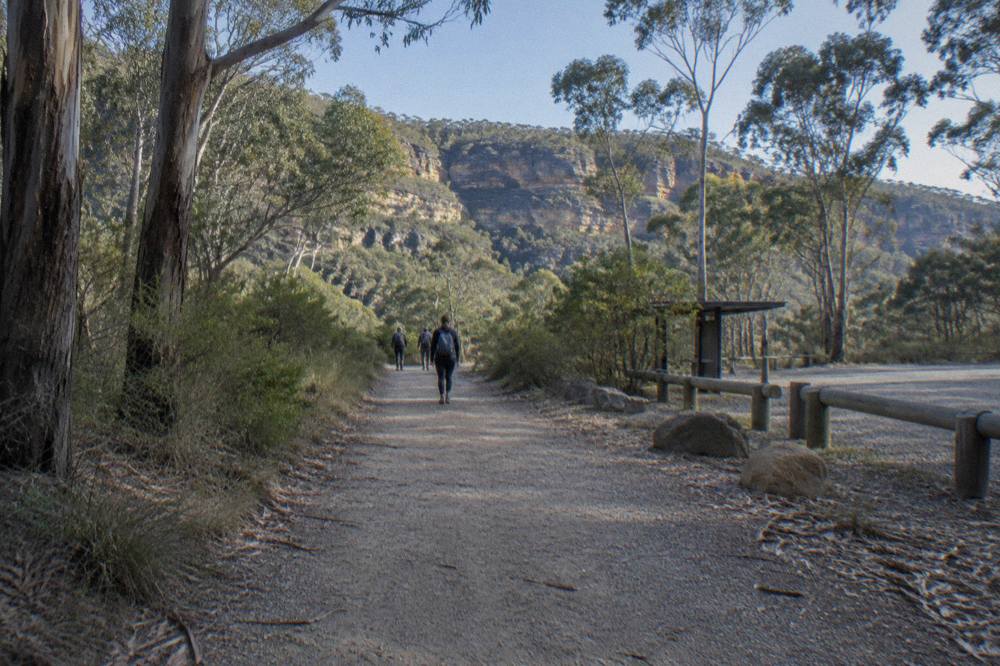
Planning around the free access is mostly planning around crowds and parking. NSW National Parks says it is best to visit during the week or in spring or autumn, because summer, weekends and holiday periods bring very busy conditions and limited parking at the end of the road. That advice is on the track page itself, not a rumour. If you want the deeper background on timing, the best time to see glow worms in the Blue Mountains covers the season question in full.
Who Does Need Permission: Commercial Operators
Tour companies do. Any operator charging the public to guide walks inside Wollemi National Park needs a commercial licence from NSW National Parks, and the operators running tunnel tours advertise themselves as licensed Parks Eco Pass holders. Private individuals never need that licence, but the moment money changes hands for a guided experience in the park, formal permission is required. The rule divides cleanly between visitors and businesses.
Two operators make the arrangement visible. Beyond The Blacktop runs guided tunnel tours from Katoomba Station or the Zig Zag Railway at Clarence, roughly 5 hours, and its own page lists an adult guided tour at $210 with a Dry Canyon option at $275, currency not stated on the page. Red Lantern Tours runs a full-day guided tunnel tour meeting at Penrith, with pricing available on request through its NPWS listing. Both exist because the operators hold park licences, not because the tunnel itself has an entry permit an ordinary walker could buy.
That licensing requirement is also why the operator landscape changes shape from year to year. Wolgan Valley Eco Tours once ran tunnel hikes but its booking listings show no availability, consistent with reporting that it shut down in December 2024 over access issues in the Wolgan Valley. A closed operator does not close the track. The tunnel remains open to independent walkers regardless of which tour companies are trading, and the self-guided option needs no permission from anyone.
For readers weighing guided against independent, the self-drive versus guided glow worm tunnel comparison works through the trade-offs in detail. The short version: a licence protects the park and the visitor when money is involved, and its absence for private walks is deliberate, not an oversight.
What Rules Apply Even Without A Permit
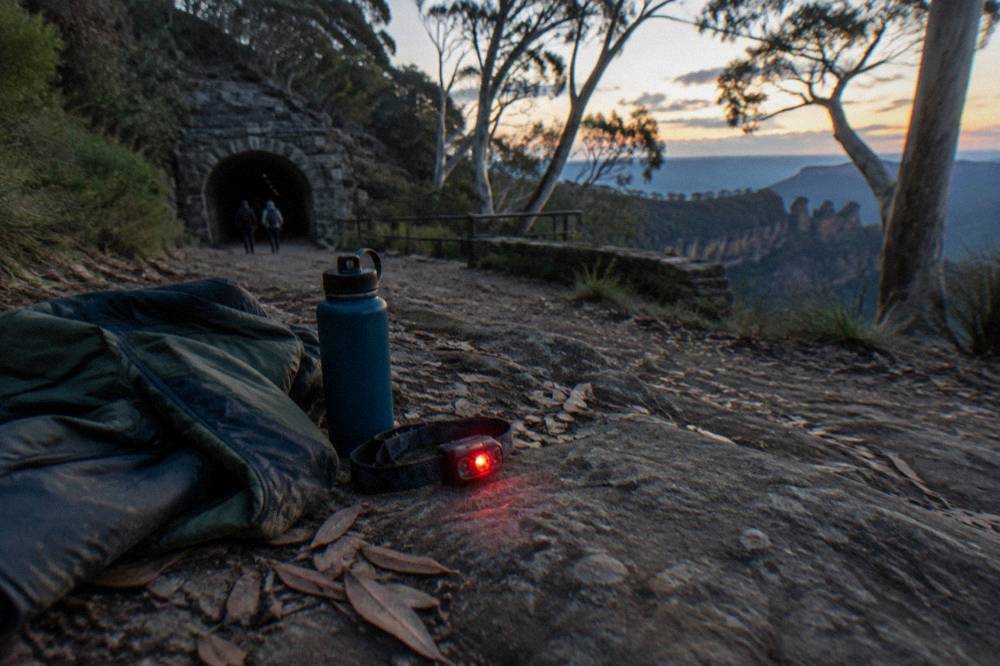
Yes, plenty of rules still apply. Even without a permit, NPWS viewing guidance is specific: stay on the path, keep noise to a minimum, let your eyes adjust when you turn off your torch, and shine any torch at the ground or use a red-light option because it is least disruptive. Glow worms will switch their lights off if disturbed, and pointing a torch at them can damage their bioluminescence. Look, but do not touch.
The torch rules exist because the animals are fragile in ways a permit could never police. The species here is Arachnocampa richardsae, the larval stage of a fungus gnat, spending 6 to 9 months in that glowing worm-like phase before a 14 day cocoon and an adult life of about 3 days. The blue-green light comes from a transparent rear end and lures prey into sticky silk snares the larvae secrete from their mouths. A careless white beam or a loud group can darken a whole wall of them for the night.
The park's prohibited list applies with equal force. Camping is not allowed at the tunnel, with the nearest campground at Newnes via Wolgan Valley Road. Cycling is banned on the track and inside the tunnel, though it is allowed on Glowworm Tunnel Road itself. Pets are prohibited, assistance animals excepted, and smoking is off-limits. None of these require a permit to enforce, they are simply conditions of being in the park, and rangers can act on breaches.
One thing the official pages do not settle is flash photography. No NPWS rule on camera flash was found on those pages, so treat that question as unregulated by the park and use the torch guidance as your yardstick: if a white torch beam is disruptive, an unshielded flash is unlikely to be better. The glow worm tunnel photography guide covers what works in the dark without harming the colony.
How Do You Confirm The Rules Before You Go?
Check the NPWS alerts page for the tunnel and, if you want a human answer, call the Blue Mountains Heritage Centre in Blackheath on 02 4787 8877, open 9am to 4pm daily except Christmas Day. The track is administered through that office, and its staff can confirm the no-fee, no-permit position and any temporary restrictions on the day you plan to walk. A check close to departure is worth the two minutes it takes.
The current alerts show exactly why that check matters. A park fire ban applies across Wollemi National Park from 1 October 2026 to 31 March 2027, prohibiting campfires and solid-fuel stoves, which will not affect a tunnel walk directly but signals the fire season the plateau enters each summer. Construction works at the Bungleboori precinct run until December 2026, the Bungleboori site itself is closed to visitors, and Glowworm Tunnel Road at its intersection with Lost City North and Maiyingu Marragu is reduced to a single lane from 11 October 2026, with delays up to 5 minutes possible.
None of those alerts close the track or the road to the carpark, and the tunnel section toward Newnes may also close during or after heavy rain because of rockfall and flood risk. That is the practical pattern: the tunnel does not need a permit, it needs attention. The NPWS glow worm page carries the behavioural guidance, and the track's local alerts carry the day-to-day status, and between them they answer everything a permit office would.
Visitors who prefer a plain-language digest of the road situation will find the glow worm tunnel road and car park guide useful, since it covers the two approach routes and the parking limits in one place.
Getting There: The Access Reality Check
The tunnel sits about 2.5 hours from Sydney by road, per NSW National Parks, and no public transport reaches the carpark. The final approach is unsealed: Glowworm Tunnel Road is 2WD-possible in dry weather, 4WD is highly recommended, and access is 4WD only when wet, with no long vehicles allowed. From Lithgow the drive runs via Clarence and Old Bells Line of Road, then 26.8 km of Glowworm Tunnel Road.
The road is the real gatekeeper, not any permit system. Trucks frequently use Old Bells Line of Road, the gravel surface punishes low-clearance cars after rain, and parking at the end is limited at peak times, which loops back to the NPWS advice about weekdays, spring and autumn. An alternative approach uses the Old Coach Road carpark and the Pagoda walking track, a 4 km return route described in the NPWS story about the tunnel, which suits some walkers better than the standard 6 km track. The route passes through a 60 m single-lane tunnel just before the carpark.
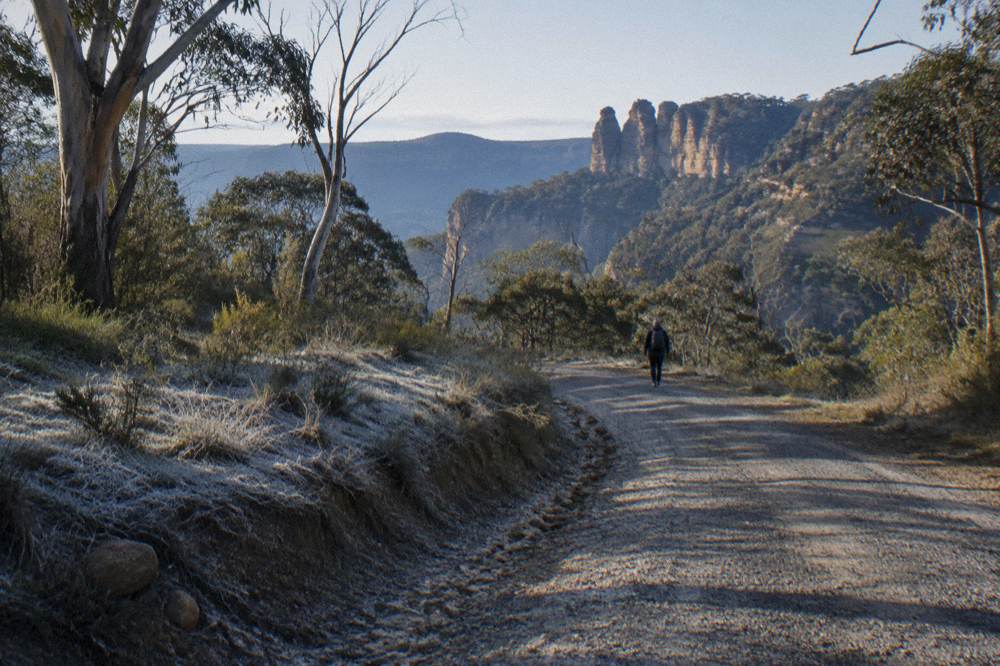
Winter drivers should also weigh the cold. Katoomba's mean minimum temperatures run from 12.9 degrees in January down to 2.6 degrees in July, figures from the Bureau of Meteorology's long-term averages for the Farnells Road station at 1,017 m elevation, and the plateau around the tunnel is at least as exposed. The glow worms themselves are present year round, and the tunnel is dark enough inside for daytime viewing, so a midday winter walk is entirely workable if the road is dry.
For anyone weighing the drive against a guided option, the honest framing is this: the free, permit-free walk is genuinely free, but it costs you a car suited to gravel, daylight or careful night driving, and your own red-light discipline at the tunnel. The how to get to the glow worm tunnel from Sydney guide lays out the routes turn by turn for the self-drive choice.
What About The Guided Night Hike From Sydney?
The Glow Worm Cave Night Hike From Sydney is a highly rated guided bush walk to a secret cave with a waterfall where native glow worms live. This 5-hour evening tour includes hotel pickup and drop-off, costs from $128 USD per person, and holds a 4.9 rating from 210 reviews.
The tour needs no permit from you because the operator holds the commercial standing, and that is the cleanest illustration of how the permission system works. You book, the operator handles park obligations, transport, parking fees, water and a certified outdoor instructor, and supplies headlamps with a red-light mode that matches the NPWS torch guidance. Groups are capped at 9 travellers, the walk needs moderate fitness and is not wheelchair accessible, and free cancellation applies up to 24 hours before. The listing is flagged as often selling out.
Two honest caveats belong beside that description. The hike does not go to the Lithgow tunnel, to Newnes or to Jenolan, it goes to the waterfall cave, and glow worms are wild animals, so the operator cancels for bad weather or if minimum numbers are not met rather than promising a sighting. Whether dinner is included is not settled across the listings, so treat the meal question as open and check the live listing before booking. Readers curious about how the two experiences differ in practice can read the Blue Mountains glow worm tour overview, and the broader glow worm tour from Sydney guide covers the logistics of an evening departure.
For the wider context of where these animals live in New South Wales, including the Blue Mountains Glow Worms region's caves and disused mines that hold most of its colonies, the NPWS story on the tunnel is the best single read.
The Permit Question, Answered Plainly
Independent walkers need no permit, pay no fee and make no booking for the Lithgow glow worm tunnel. Commercial operators need a park licence, which they obtain themselves and which never passes to their customers. The rules that bind you are behavioural and seasonal: red light, quiet voices, no camping, no pets, and a fresh check of NPWS alerts and, if in doubt, a call to the Blue Mountains Heritage Centre before the drive out.
It is worth being precise about what "no permit" does not mean, because a small number of visitors read free access as unmanaged access. The tunnel floor is uneven and can be wet, the 80-plus steps include narrow winding timber stairs without handrails, the pinch point after the bridge is half a metre wide, and the barrier at the trailhead has a one metre gap, which is why the park states plainly that there is no wheelchair or pram access. The track beyond the lookout toward Newnes is not suitable for children. These are access facts, not permit conditions, but they shape the visit as much as any rule would.
The free status has held steady across every official page, and the NPWS story's description of the tunnel as a free year-round spectacle is the clearest single statement of it. What changes is the operational picture: fire bans each summer, road conditions after rain, construction traffic near Bungleboori until December 2026, and the single-lane section on Glowworm Tunnel Road from 11 October 2026. A visitor who checks the alerts page the morning of the walk will have a more current answer than any article can carry, and that check is the only paperwork the tunnel will ever ask of you.
Common Questions About The Lithgow Glow Worm Tunnel
Do I Need A Permit For The Lithgow Glow Worm Tunnel?
No. NSW National Parks lists no permit, no booking and no entry fee for independent walkers on the glow worm tunnel track. Commercial tour operators need a park licence, but that obligation sits with the operator, never with a private visitor walking in on their own.
Is there an entry fee for the Glow Worm Tunnel walking track?
No fee is listed on the NPWS track, visitor info or alerts pages, and the official NPWS story describes the tunnel as a free, year-round spectacle. Your costs are fuel and gear, not tickets.
Who can I contact to confirm the rules before visiting?
The Blue Mountains Heritage Centre at 270 Govetts Leap Road, Blackheath, administers the track. It is open 9am to 4pm daily except Christmas Day and can be reached on 02 4787 8877. The NPWS local alerts page for the tunnel is the best written source for same-day status.
Do tour groups need a permit to run tunnel walks?
Yes. Operators charging for guided walks in Wollemi National Park hold commercial licences, and the tunnel operators describe themselves as licensed Parks Eco Pass holders. Individual customers of a licensed tour never need any separate permission.
Does the no-permit status mean the tunnel is always open?
The track is listed as "Open, check current alerts", and no blanket closure appears in the current alerts, but temporary closures can occur. The section toward Newnes may close during or after heavy rain due to rockfall and flood risk, and a park fire ban applies from 1 October 2026 to 31 March 2027. Check alerts on the day.
Can I camp at the tunnel if the walk is free?
No. Camping is prohibited at the tunnel, with the nearest campground at Newnes, reached via Wolgan Valley Road. Cycling on the track or inside the tunnel, pets and smoking are also prohibited, and none of these rules involve a permit, they are standard park conditions.