Where Can I See Glow Worms In NSW?
Where glow worms can be seen in NSW: the Wollemi tunnel, the Sydney night hike cave, and the places with no documented evidence.
Where Can I See Glow Worms In NSW?
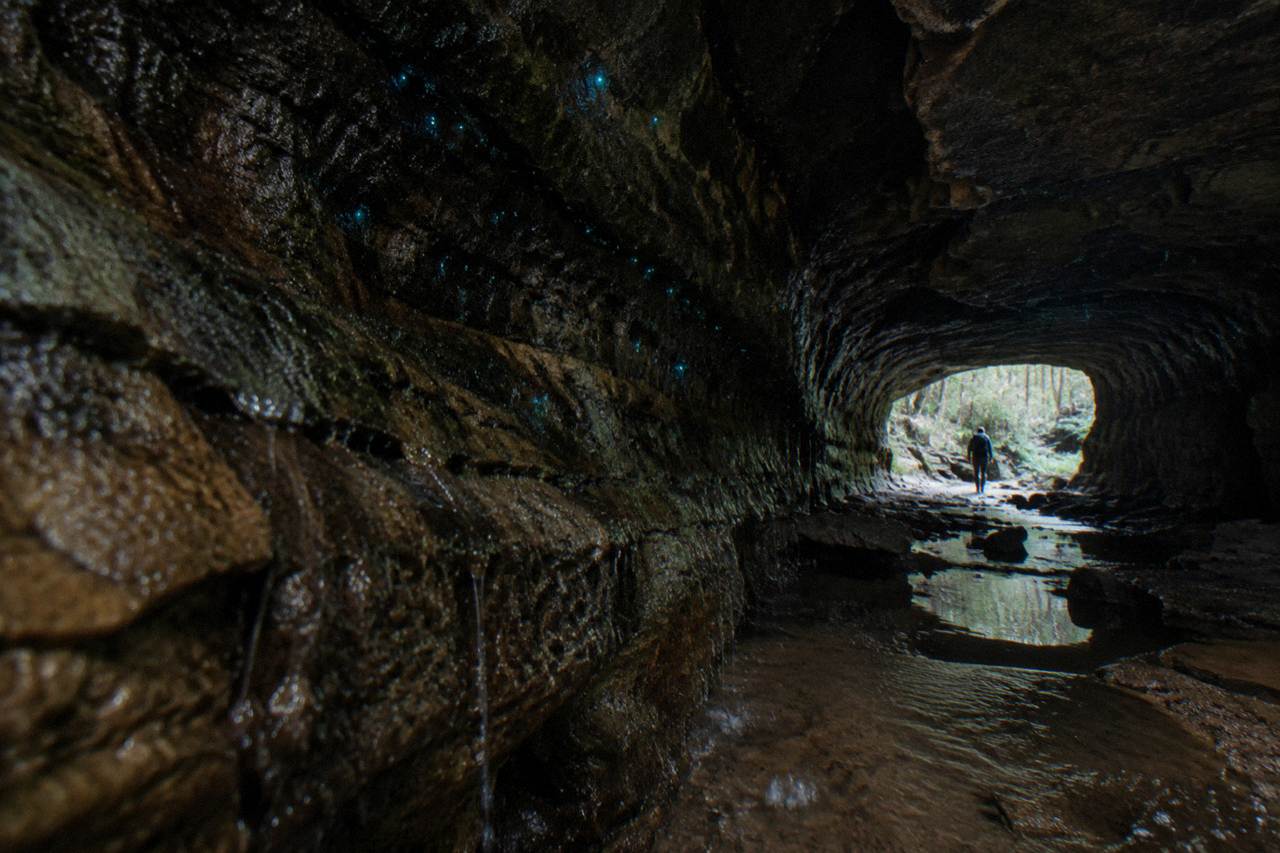
The two documented glow worm sites in the NSW Blue Mountains region are the Glow Worm Tunnel in Wollemi National Park, near Lithgow, and the waterfall cave visited by a small-group night hike that picks up from Sydney hotels. NSW National Parks names the tunnel as a habitat of the glow worm Arachnocampa richardsae, and the hike's operator describes a cave behind a waterfall where the species can be seen.
That short answer hides a bigger problem for anyone planning a trip. Search results for glow worms in NSW return a long list of places, from Helensburgh in the Illawarra to lookouts around Katoomba, and most of those mentions cannot be traced to any official source. Across the NSW National Parks pages, operator listings and the official Jenolan Caves site, only a handful of locations have any documented glow worm presence at all. The rest is repetition: one travel article copies another, and a rumour becomes a "spot."
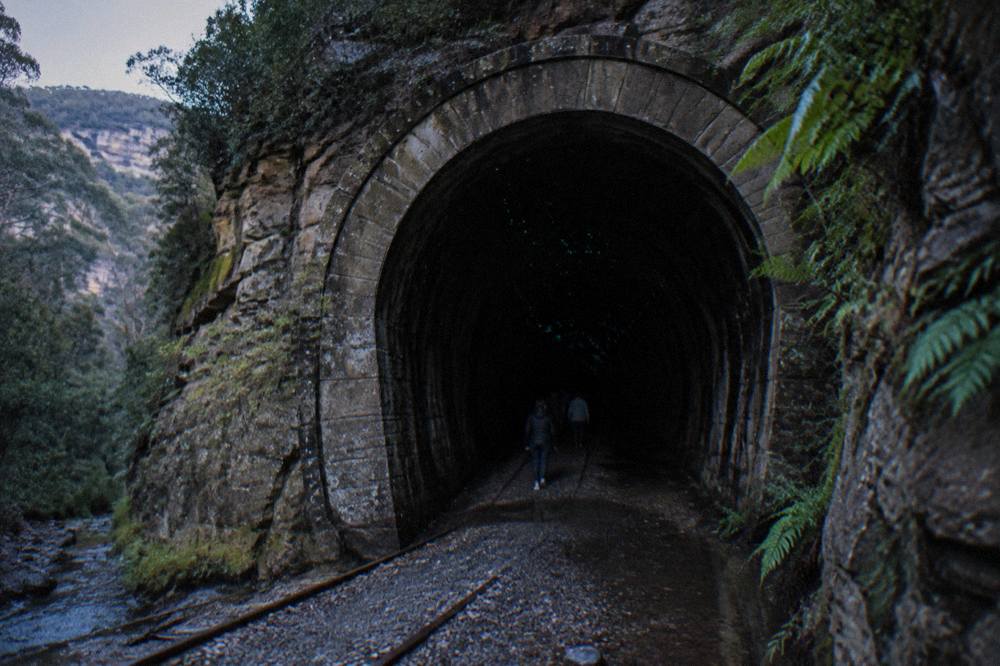
The honest map is small. There is the abandoned railway tunnel in Wollemi National Park, which NSW National Parks describes as one of the best glow worm habitats in the state because it stays dark enough for viewing even in daytime. There is the cave behind a waterfall that the Sydney night hike visits, whose exact location the operator does not publish. And there are a scattering of colonies in caves, overhangs and disused mines across the Blue Mountains that NSW National Parks says exist but does not name individually. That is the real list, and everything else needs a caveat. Since several of those Blue Mountains colonies are easiest to reach on an organised trip, the guide to picking the best Blue Mountains tour from Sydney explains which operators actually deliver on glow worms and which are better for daytime views.
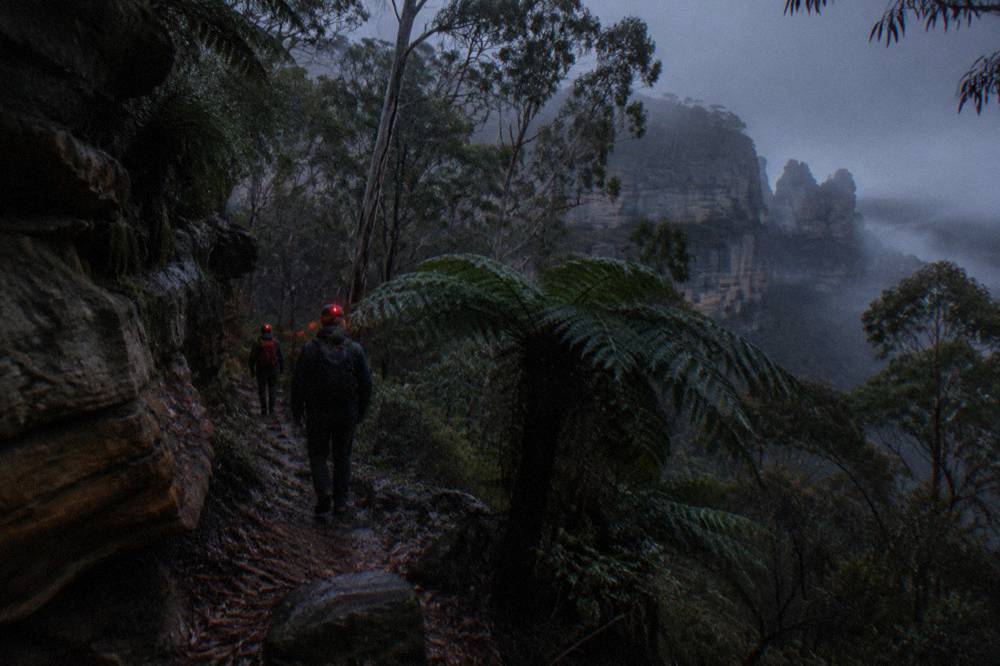
For travellers who want the easiest path to a sighting, the night hike from Sydney is the only bookable option with hotel pickup. The Glow Worm Cave Night Hike From Sydney collects guests from city accommodation in a staggered window from about 7:50pm to 8:35pm, takes a maximum of nine travellers on a guided bush walk with red-light headlamps, and returns around 11pm to midnight per the operator. It runs from $128 USD per person, rates 4.9 from 210 reviews, and can be cancelled free up to 24 hours before. The listing is flagged as often selling out.
Which Glow Worm Sites Are Actually Documented?
Documented glow worm sites in NSW, per official sources, are the Glow Worm Tunnel walking track in Wollemi National Park and the Blue Mountains caves and disused mines mentioned generally by NSW National Parks. The night hike's waterfall cave is documented by its operator's own listing. No NPWS page describes glow worms at Jenolan Caves, the Grand Canyon Track, Govetts Leap, Wentworth Falls, Leura or Blackheath.
Start with the strongest evidence. NSW National Parks maintains a dedicated glow worm page that names the species, Arachnocampa richardsae, and lists Wollemi National Park among the parks where it is found. The same agency's page for the Glow Worm Tunnel walking track describes a 387 m abandoned railway tunnel, 6 km return from the carpark, where "because the tunnel is long, it gets dark enough to see glow worms during the day." That is about as solid as glow worm documentation gets: a named species, a named place and a government agency putting both on the record. The tunnel can also be reached via the shorter Pagoda track from the Old Coach Road carpark, a 4 km return walk.
The second documented site is the waterfall cave on the Sydney night hike. The operator, Wildscape Adventures, describes a guided walk in the dark to a cave with a waterfall where native glow worms can be seen, plus a chance of other local wildlife. The location is not published, which is common for glow worm sites on private or sensitive land, and the tour supplies headlamps with a red-light mode so the insects' lights are not disturbed. The listing carries a 4.9 rating from 210 reviews, a figure large enough to take seriously.
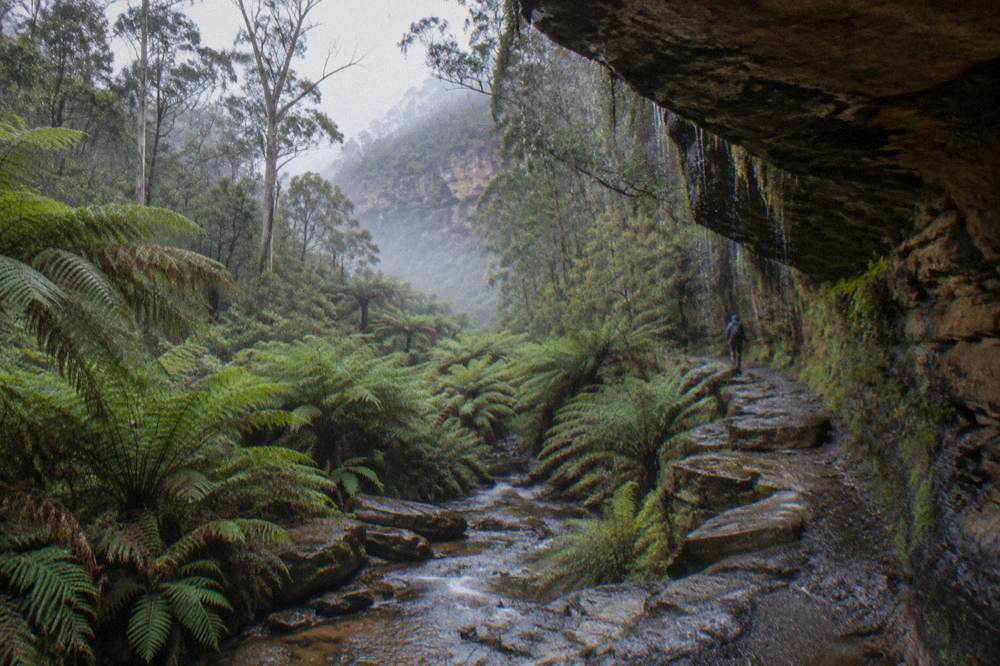
Beyond those two, the record thins out fast. NSW National Parks says the Blue Mountains region holds many glow worm colonies, mostly in caves and disused mines, but it does not publish a list of them, and NPWS and operator pages do not describe glow worms at the Grand Canyon Track near Blackheath, at Govetts Leap, Wentworth Falls, Leura or anywhere on the Katoomba evening walking circuit. The Grand Canyon Track is a real and spectacular 6.3 km loop, Grade 3, three to four hours, but its NPWS pages mention no glow worms. A reader who wants the full picture of the tunnel can read the Glow Worm Tunnel Newnes guide, and the access details are covered in the Glow Worm Tunnel walking track guide.
Want The Sighting Without The Self-Drive Research?
Only one bookable tour from Sydney takes travellers to see glow worms at night, and it handles all the driving.
| Site | Glow worm evidence | Access | Cost |
|---|---|---|---|
| Glow Worm Tunnel, Wollemi NP | NSW National Parks: named habitat of Arachnocampa richardsae | 6 km return walk from Glowworm Tunnel Road carpark, unsealed road, about 2.5 hours' drive from Sydney | No fee listed by NSW National Parks |
| Waterfall cave (Sydney night hike) | Operator listing describes native glow worms in a cave behind a waterfall | Hotel pickup from Sydney, about 7:50pm to 8:35pm, guided walk, max 9 travellers | From $128 USD per person |
| Jenolan Caves | No glow worm mention on the official Jenolan Caves site | Public cave tours available | Not glow-worm relevant |
| Grand Canyon Track, Blackheath | No glow worm mention on NPWS track pages | 6.3 km loop, Grade 3, 3 to 4 hours | No fee listed |
| Helensburgh tunnel (Illawarra) | No official page found describing a glow worm tunnel there | South of Sydney, a different region | Confirm access with the local council |
What About Jenolan Caves And The Katoomba Area?
Jenolan Caves has no glow worm mention anywhere on its official site, which focuses on limestone formations and cave wildlife such as rock-wallabies, and NPWS and operator pages do not describe glow worms on walks near Katoomba, Leura or Blackheath. The Helensburgh tunnel is in the Illawarra south of Sydney, a different region from the Blue Mountains, and no official source was found describing it as a glow worm site.
Jenolan deserves its own paragraph because it is the most common wrong answer. The caves are famous, they are dark, and glow worms live in caves, so the assumption spreads easily. But the official Jenolan Caves site mentions no glow worms in any cave description or wildlife section, and no tour listing for Jenolan found mentions them either. Visitors to Jenolan can see spectacular limestone formations and, with luck, wildlife above ground. What they cannot currently book or find documented there is a glow worm display. The question of whether Jenolan is still worth the trip is covered in the Jenolan Caves and glow worm tours guide.
The Katoomba area is similar. NSW National Parks promotes evening activities across the Blue Mountains, but no NPWS page or operator listing found describes a glow worm walk at Govetts Leap, Wentworth Falls, Leura or Blackheath. The locally promoted glow worm site in the wider region is the Wollemi tunnel, which sits near Lithgow, about an hour's drive further on from Katoomba. That gap between expectation and evidence is exactly why the Sydney night hike exists: it takes travellers to a documented colony without them needing to verify a rumoured location themselves. For anyone weighing the two approaches, the self-drive versus guided comparison works through the trade-offs. If you'd rather not pay at all, the guide to seeing glow worms for free near Sydney explains how the Wollemi tunnel walk stacks up against the paid tour.
Helensburgh, in the Illawarra south of Sydney, appears in many "glow worm tunnel near Sydney" lists. No NSW National Parks, council or museum page describes a glow worm tunnel there, and a past tour listing for the area was not live. It is also simply not in the Blue Mountains. Anyone considering a visit should confirm access with the local council before travelling, since disused tunnels on rail land can be closed without much publicity. The full comparison is in the Helensburgh versus Newnes tunnel guide.
The pattern across all three cases is the same, and it is worth stating plainly. A place being dark, damp and famous is not evidence of glow worms. The evidence that exists points to two bookable or walkable experiences in the Blue Mountains region, and this site, Blue Mountains Glow Worms, keeps its recommendations to those.
How Does The Sydney Night Hike Compare With The Tunnel?
The Sydney night hike costs from $128 USD per person, includes hotel pickup and drop-off, and reaches a waterfall cave in about five hours with a certified outdoor instructor and red-light headlamps. The tunnel is free to walk, per NSW National Parks, but requires about a 2.5 hour drive each way on partly unsealed roads and a 6 km return walk, with no public transport to the carpark.
The comparison comes down to effort and certainty. The tunnel delivers a genuinely remarkable sight: a 387 m railway tunnel lined with glow worms, dark enough inside that the display works even at midday. But getting there is a project. The drive from Sydney takes about 2.5 hours per NSW National Parks, the final stretch is unsealed Glowworm Tunnel Road where a 4WD is recommended and required in wet weather, parking is limited at peak times, and the walk from the carpark to the tunnel entrance is 1.5 km each way with over 80 steps and no handrails on some sections. There is no entry fee listed, which makes it one of the best free wildlife experiences in the state for those with a vehicle and the right conditions.
The night hike trades that for convenience and guidance. Pickup from Sydney accommodation, a maximum of nine travellers, a certified outdoor instructor, water and parking fees included, and a return around 11pm to midnight. The operator does not promise a sighting on any given night, because glow worms are wild animals and the tour is cancelled for bad weather or if minimum numbers are not met, but the cave is a documented colony and the red-light protocol is handled for you. Free cancellation applies up to 24 hours before.
There is also a middle path worth knowing about. Beyond The Blacktop, a licensed NPWS eco pass operator, runs guided tours to the tunnel itself with departures from Katoomba Station or the Zig Zag Railway at Clarence, about five hours, with its own page listing a guided adult tunnel tour at $210 and $275 with Dry Canyon, currency not stated. There is no Sydney hotel pickup. Smaller operators around Mt Tomah and Bilpin have run glow worm overhang tours in the past, but their status varies and their prices are not verified here, so treat those as options to check rather than plans to book.
When Is The Best Time To See Glow Worms In NSW?
Glow worms are present year round in NSW, and NSW National Parks suggests visiting the tunnel during the week or in spring or autumn to avoid crowds and limited parking. Operators and travel press say displays are often stronger in warm, wet months and after rain, but that is opinion, not official data, and no official source ranks months by brightness.
The year-round claim is well supported. Because the Wollemi tunnel is pitch black inside, the colony there can be seen in any season and even during the day, and the night hike runs throughout the year, with the operator noting cancellations for bad weather rather than a closed season. Katoomba's climate data from the Bureau of Meteorology shows mean minimum temperatures ranging from 2.6 degrees in July to 13.0 in February, with rainfall heaviest in the summer months, so winter visits are cold but viable and usually quieter.
The seasonal brightness question is murkier. Operators and press articles consistently report stronger displays in warmer, wetter months and after rain, when humidity is high and the insects' prey is active, and report that bright moonlight suppresses the view. Those claims are plausible and consistent across sources, but no official agency ranks the months, so this site reports them as operator and press opinion rather than fact. What is official is the practical advice: weekdays, spring and autumn, a red-light torch, minimal noise, and eyes given time to adjust to the dark.
Planning around all of this is easier with the seasonal detail in one place. The month-by-month ribbon on the homepage summarises the climate and crowd patterns, and the best time to see glow worms guide expands on the weather data. For the biology behind the glow, including why touching is harmful, the glow worm biology guide covers the life cycle in full.
For most readers the decision is now simple. If you have a car, some bushwalking fitness and a free day, the Wollemi tunnel is the state's signature glow worm experience and costs nothing to walk. If you want the sighting without a five-hour round drive on unsealed roads, the night hike from Sydney is the one bookable way to get there, and it is the tour this site recommends. Either way, the places to skip are the ones no official source has ever documented.
The tour's own listing carries the current departure details, pickup windows and availability, and it is worth checking before locking in a date, since the operator notes it often sells out.
Common Questions About Seeing Glow Worms In NSW
Where Can I See Glow Worms In NSW?
The two documented sites in the Blue Mountains region are the Glow Worm Tunnel in Wollemi National Park, near Lithgow, and the waterfall cave visited by the Sydney night hike. NSW National Parks also notes that many colonies exist in caves and disused mines across the Blue Mountains, without naming them. Jenolan Caves and the Katoomba walking tracks have no documented glow worm presence.
Can you see glow worms at Jenolan Caves?
No official source documents glow worms at Jenolan Caves. The official Jenolan site mentions limestone formations and wildlife such as rock-wallabies but no glow worms, and no tour listing for Jenolan found mentions them either.
Is the Glow Worm Tunnel free to visit?
Yes. NSW National Parks lists no entry, parking or booking fee for the Glow Worm Tunnel walking track. The costs are the drive, about 2.5 hours from Sydney on partly unsealed roads, and the 6 km return walk from the carpark.
Can you see glow worms during the day?
Yes, inside the Wollemi tunnel. NSW National Parks states the 387 m tunnel gets dark enough to see glow worms during the day. At open-air sites, displays are best after full dark with red-light torches and time for eyes to adjust.
Why can't you touch glow worms?
Glow worms switch their lights off when disturbed, and NSW National Parks advises look but don't touch. The larvae are fragile, and their glow is a hunting lure, so handling them damages both the insect and the display everyone came to see.