Can You Drive To The Glow Worm Tunnel?
Yes, you can drive to the Glow Worm Tunnel carpark, but the last stretch is unsealed and the tunnel itself is a 1.5 km walk from the parking area. Here is what the roads, routes and rules look like.
Can You Drive To The Glow Worm Tunnel?
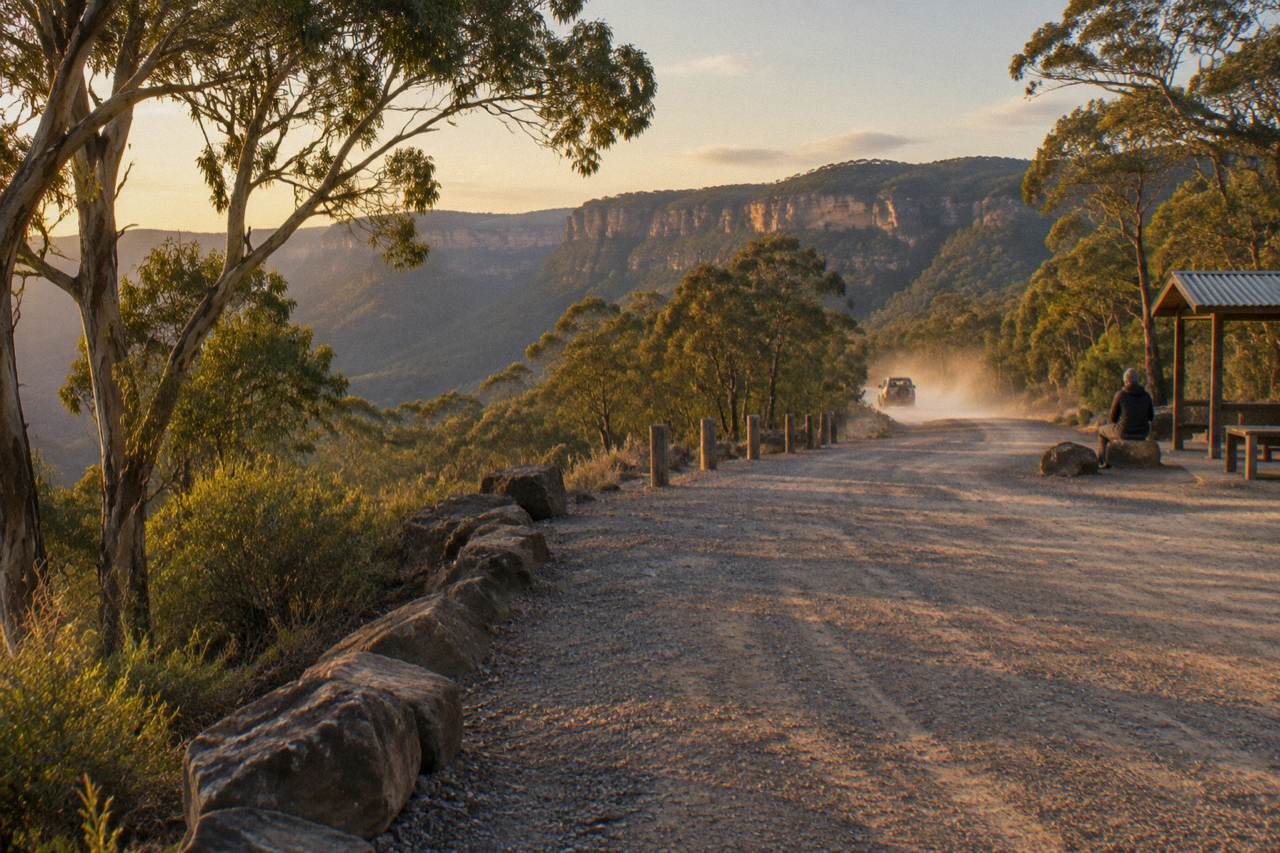
Yes, you can drive to the Glow Worm Tunnel, but only as far as the carpark at the end of Glowworm Tunnel Road in Wollemi National Park. From there it is a 1.5 km walk to the tunnel entrance, and the final approach is on unsealed gravel. A 2WD can make it in dry weather, NSW National Parks recommends a 4WD, and when the weather turns wet the road is 4WD only. Once you've sorted out how to get there, you'll probably want to know what the whole trip sets you back, and the full cost breakdown for visiting the Glow Worm Tunnels covers everything from park fees to tour prices.
The tunnel sits near Lithgow in Wollemi National Park, and NSW National Parks describes the whole track as a 2.5 hour drive from Sydney. That figure covers the sealed highways and the long gravel run combined, and it assumes you are not slowing for trucks or roadworks. The drive is genuinely part of the adventure here, and it is the part that catches the most people out, because the mapping services will happily route a small rental car onto a road that a small rental car has no business being on after rain.
The distinction that matters is simple: you drive to the carpark, then you walk. There is no road to the tunnel mouth, and there never was, the tunnel was built in the early 1900s for the Newnes mining railway, not for cars. The track from the carpark to the entrance is 1.5 km each way, and the full walking track is listed as a 6 km return Grade 3 walk with a suggested time of 2 to 3 hours if you continue through Penrose Gorge to the lookout. If driving is the part of the trip that worries you, there is another way to see glow worms in this region without a car at all, and we cover it further down.
For readers who would rather not plan a gravel-road drive at night, the bookable option above collects you from your Sydney accommodation and takes the driving off your plate completely. For everyone else, the rest of this article is the practical driving guide: which route to take, what the surface is like, where you park, and what to check before you set out.
What Are The Roads Actually Like?
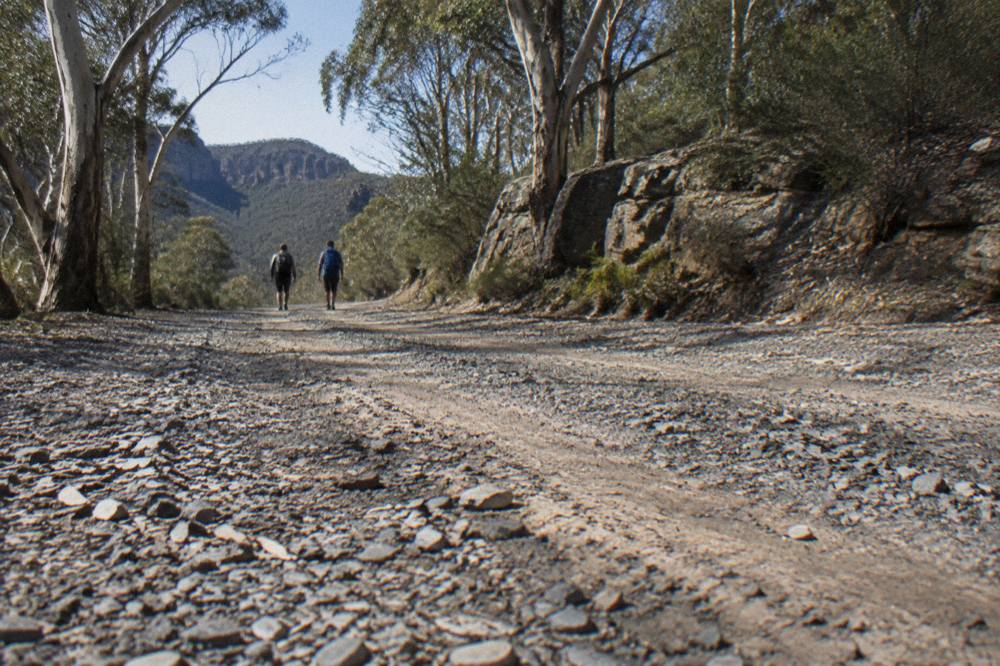
The last 26.8 km of the main approach, Glowworm Tunnel Road, is unsealed gravel, and the alternative State Mine Gully Road is gravel too. NSW National Parks states a 2WD is possible in dry weather, a 4WD is highly recommended, and access is by 4WD only when the road is wet. Long vehicles are not permitted, and parking at the end is limited. Because those few parking spots fill quickly on busy days, our guide to parking options near the Glow Worm Tunnel explains where to leave your car and what to do if the area is full.
Dry weather changes the character of this drive completely. In a dry spell the gravel is firm and corrugated but passable with care in a 2WD, and plenty of visitors do it in ordinary sedans. The catch is that "dry weather" is doing a lot of work in that sentence: the Newnes Plateau holds moisture long after the rain has stopped falling, and a road that was fine on the way in can be a different surface on the way out. If there has been meaningful rain in the days before your visit, treat the 4WD-only rule as applying to you even if the sky is blue when you leave Sydney.
A few specifics from the NSW National Parks visitor information are worth committing to memory before you go. There is a 60 m single-lane tunnel on Glowworm Tunnel Road just before the carpark, which means yielding to oncoming traffic in the dark if you are there late. Trucks use Old Bells Line of Road frequently, and the parks service asks drivers to stick to the 40 km/h limit during working hours. There is very limited mobile reception at the carpark and essentially none on the plateau, so the Emergency Plus app is recommended, and downloading offline maps before you leave Lithgow or Katoomba is not optional advice, it is basic preparation. There is no drinking water at the carpark, only two non-flush toilets and one timber bench.
One more thing that is easy to miss: the parks service lists no entry fee, no parking fee and no permit for the tunnel or the track. The cost of the drive is fuel, time and tyre wear, nothing else. If you see a website selling a "tunnel access pass", that is not an official product.
Which Route Should You Take To The Carpark?
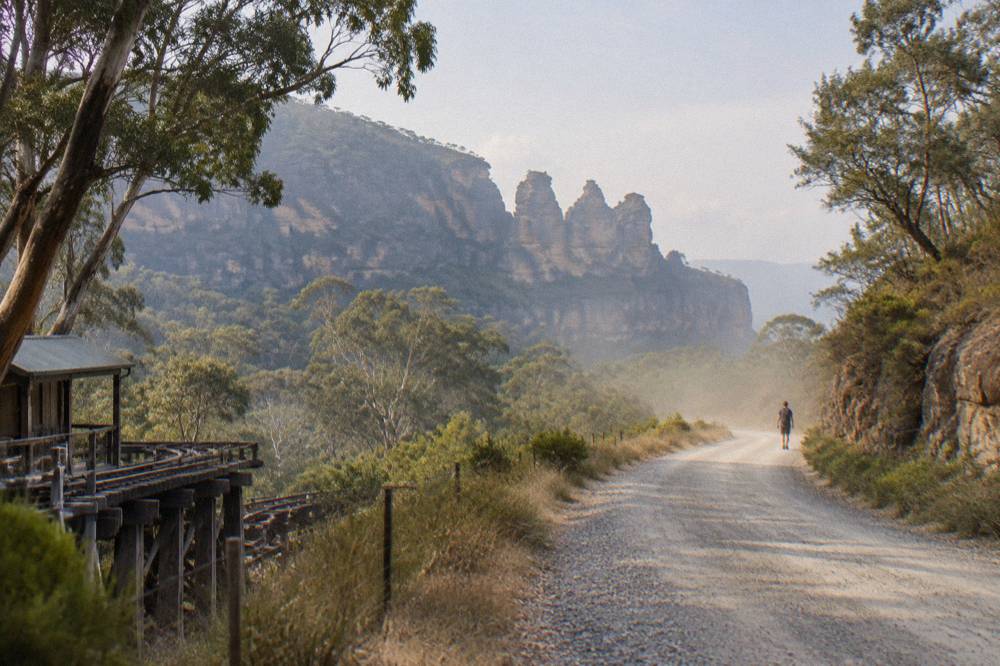
There are two road approaches, both from the Lithgow side. The main route runs via Clarence and the Zig Zag Railway, along Old Bells Line of Road for 8.4 km, then 26.8 km along Glowworm Tunnel Road to the carpark. The alternative is State Mine Gully Road out of Lithgow, signposted, gravel for most of its roughly 39 km, becoming Glowworm Tunnel Road.
Neither route is short and neither is sealed at the business end, so the choice comes down to where you are coming from and how comfortable you are with truck traffic. Old Bells Line of Road carries frequent trucks associated with the plateau works, and the parks service asks drivers to travel carefully and observe the reduced speed limit during operating hours. State Mine Gully Road is the quieter option on paper but it is gravel for longer, so in wet conditions it degrades earlier in the drive rather than at the end.
| Route | Distance character | Surface | Best suited to |
|---|---|---|---|
| Via Clarence and Old Bells Line of Road | 8.4 km on Old Bells Line, then 26.8 km on Glowworm Tunnel Road | Sealed, then unsealed gravel | Drivers from Sydney via the Great Western Highway who accept truck traffic |
| Via State Mine Gully Road from Lithgow | About 39 km total, becomes Glowworm Tunnel Road | Gravel for most of the route | Drivers starting from Lithgow who prefer less truck traffic |
| Pagoda track from Old Coach Road carpark | 4 km return walk to the tunnel | Walking track only | Visitors who want a shorter walk from a different carpark |
The third row is the one most first-time visitors never hear about. NSW National Parks describes an alternative approach from the Old Coach Road carpark via the Pagoda walking track, a 4 km return walk that reaches the same tunnel without driving the full length of Glowworm Tunnel Road. It appears in the parks service's own story about the tunnel, and for some drivers it is the smarter trade: a longer walk in exchange for skipping part of the gravel. Whichever route you pick, the Glow Worm Tunnel road and car park guide on this site goes deeper on both approaches, and our self-drive versus guided comparison weighs the driving question against the alternatives.
If reading about single-lane gravel and truck traffic has you second-guessing the whole plan, there is a fair question to ask: would you rather see glow worms in this region without touching a steering wheel at all? The Sydney pickup night hike handles every kilometre of driving for you, and free cancellation applies up to 24 hours before, so you can lock in a date while you are still weighing up the roads.
Where Do You Park And How Far Is The Walk?
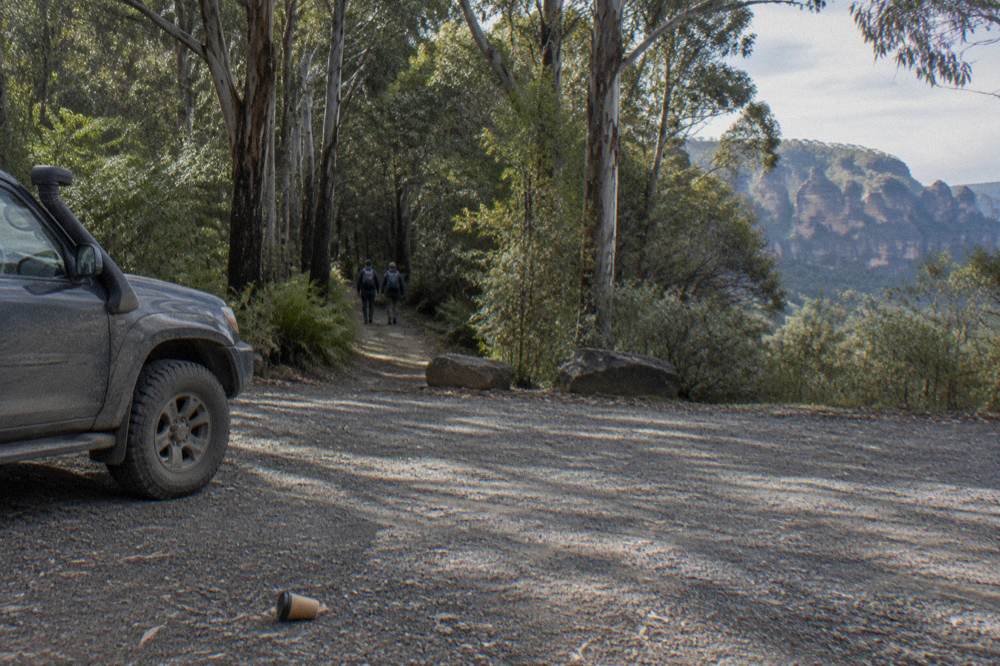
Parking is at the end of Glowworm Tunnel Road, and NSW National Parks describes it as limited, especially at peak times. From the carpark it is a 1.5 km walk to the tunnel entrance, and the full track is a 6 km return walk rated Grade 3 with over 80 steps that have no handrails, short steep hills and an uneven, sometimes wet tunnel floor.
The walk is not a stroll, but it is not a bushwalk that demands experience either. The parks service suggests 2 to 3 hours for the full return track and recommends some bushwalking experience, mainly because of the steps: about 30 stone steps down to a bridge, then about 30 narrow winding timber steps back up, plus a pinch point half a metre wide after the bridge and a barrier with a one metre gap at the trailhead. There is no wheelchair or pram access. If you only go as far as the tunnel and back, the 3 km round trip is manageable for most reasonably fit visitors, including careful older children, and our page on visiting the tunnel with kids covers where the difficult spots are.
Inside the tunnel, the surface has been evened out and a handrail added, which helps, but the floor remains rocky and may be wet underfoot. The tunnel is 387 m long and dark enough in its middle that glow worms can be seen during the day, which is the whole reason people make this drive. When you arrive, the viewing etiquette from NSW National Parks is short and worth following exactly: stay on the path, keep noise to a minimum, let your eyes adjust when you turn off your torch, and shine any torch at the ground or use a red-light setting. Never point a torch beam at the glow worms themselves, it can damage their bioluminescence and they respond by switching their lights off. Look, but do not touch. The full index of guides sits on Blue Mountains Glow Worms.
Parking fills early on weekends, in summer and across holiday periods, which is the parks service's own stated reason for recommending visits during the week or in spring or autumn. Arriving early is the single most reliable way to secure a spot, and it also happens to give you a darker, quieter tunnel.
Can You Reach The Tunnel Without Driving Yourself?
No public transport reaches the Glow Worm Tunnel carpark. NSW National Parks lists road access only, and no bus or train service runs anywhere near the plateau. The practical no-drive option is the bookable night hike from Sydney, which picks up from city accommodation between about 7:50pm and 8:35pm and takes a maximum of 9 travellers to a glow worm cave behind a waterfall, from $128 USD per person.
That pickup window is staggered on purpose, the operator collects guests from multiple hotels rather than using a single meeting point, so the exact time depends on where you are staying. The tour runs about 5 hours in total, returns around 11pm to midnight per the operator, and includes transport in a small van, parking fees, water, headlamps with a red-light mode and a certified outdoor instructor. It is rated 4.9 from 210 reviews, free cancellation applies up to 24 hours before, and the listing is flagged as often selling out. One honest caveat: this hike goes to a cave behind a waterfall, not to the Glow Worm Tunnel itself, and the operator does not publish the cave's location. Glow worms are wild animals, and the operator cancels for bad weather or if minimum numbers are not met, so no sighting is guaranteed on any night.
For a driver, the comparison is straightforward. Self-driving to the tunnel costs nothing in fees but consumes most of a day, demands a suitable vehicle for the gravel and leaves you walking in on your own with no red-light gear supplied. The Sydney pickup hike costs from $128 USD per person but removes the vehicle question entirely, supplies the lighting equipment that protects the glow worms, and puts a certified instructor between you and the dark. Our glow worm tour from Sydney guide breaks down that trade in more detail, and it is the page to read if the gravel road rules out the self-drive for you.
What Should You Check Before You Drive?
Check three things on the morning of your trip: the NSW National Parks alerts page for the track and road status, the weather radar for rain on the Newnes Plateau, and your vehicle hire agreement, because many rental contracts exclude unsealed roads. The track is currently listed as open with a check-current-alerts note, and no closure of Glowworm Tunnel Road appears in the alerts, but conditions change weekly.
The rental contract point is the one that ruins the most trips. A standard Sydney rental agreement commonly prohibits driving on unsealed roads, which means the entire final approach to the carpark is outside your insurance, wet or dry. If you have hired a car, read the terms before you commit to the drive, and if the terms exclude gravel, the choice is between a tour with pickup, a higher-clearance hire, or saving the tunnel for a future trip with the right vehicle.
The weather check matters for two separate reasons. Rain makes the road 4WD only, and it can also close the Glow Worm Tunnel to Newnes track section because of rockfall and flood risk. The parks service also flags a park fire ban across Wollemi National Park from 1 October 2026 to 31 March 2027, which prohibits campfires and solid-fuel barbecues, relevant if you were planning to combine the drive with a picnic stop on the plateau. For the official word, the NSW National Parks page for the Glow Worm Tunnel walking track carries the current status and alerts, and the parks service's glow worm facts page covers the viewing rules in full. Local enquiries can go to the Blue Mountains Heritage Centre at 270 Govetts Leap Road, Blackheath, open 9am to 4pm daily except Christmas Day, on 02 4787 8877. Once you've confirmed the track is open, our guide to how much time the Glow Worm Tunnel walk takes helps you plan the rest of your day around it.
Timing your arrival is the last piece of planning. Because the 387 m tunnel is pitch black inside, glow worms are visible there during the day, so unlike most glow worm sites you do not need darkness to see them, as our article on daytime glow worm viewing explains. Operators and travel press say displays are often stronger in warm, wet months and after rain, though no official source ranks the months and NSW National Parks makes no such claim. The parks service's own advice is simply to visit during the week or in spring or autumn to avoid crowds and the limited parking, which conveniently also keeps you off the gravel in the seasons when it is most likely to be wet.
Whether you drive the gravel yourself or let someone else take the wheel, the payoff at the end is the same: a colony of Arachnocampa richardsae, the larva of a fungus gnat rather than a worm at all, lighting the walls of a railway tunnel that has been dark for a century. The drive is a means to that end. Plan it around the surface, the season and the alerts, and it is one of the more memorable roads in New South Wales.
Common Questions About Driving To The Glow Worm Tunnel
Can You Drive To The Glow Worm Tunnel?
You can drive to the carpark at the end of Glowworm Tunnel Road, but not to the tunnel itself. From the carpark it is a 1.5 km walk to the tunnel entrance. The final approach is unsealed gravel: a 2WD is possible in dry weather, a 4WD is recommended, and access is 4WD only when the road is wet.
Is the road to the Glow Worm Tunnel sealed?
No. Glowworm Tunnel Road is unsealed gravel for its final 26.8 km, and the alternative State Mine Gully Road is gravel for most of its roughly 39 km length. NSW National Parks states 2WD access is possible in dry weather and 4WD only in wet conditions, with no long vehicles permitted.
Do you need a permit or pay a fee to drive to the tunnel?
No permit, entry fee or parking fee is listed on any of the NSW National Parks pages for the track or the carpark. The drive costs fuel and time only. If a third-party site offers to sell you an access pass, it is not an official product.
Can a regular rental car make the drive?
In dry weather many visitors do it in a 2WD, but many rental agreements exclude unsealed roads entirely, which would leave you uninsured on the gravel. Check your hire contract before setting out, and treat any recent rain on the Newnes Plateau as a reason to leave the car behind.
Is there any public transport to the tunnel?
No. NSW National Parks lists road access only, and no bus or train service reaches anywhere near the carpark. The practical car-free option is the bookable night hike from Sydney, which picks up from city accommodation in a window of about 7:50pm to 8:35pm and runs to a glow worm cave behind a waterfall, from $128 USD per person.
How far do you walk from the carpark to the tunnel?
It is 1.5 km from the carpark to the tunnel entrance, and the full walking track is a 6 km return Grade 3 walk with a suggested time of 2 to 3 hours if you continue through Penrose Gorge to the lookout. There are over 80 steps without handrails, so it is not suitable for prams or wheelchairs.